
Review · SWEDISH MUSEUMS
Arvika: Vehicle Museum
Old wheels tell local stories. Arvika Vehicle Museum brings together more than 100 vehicles from different decades, including unusual cars, motorcycles, bicycles, carriages, sleds, and mopeds. I like the focus on original-condition machines, and I like that the collection changes each year, giving the museum a fresh look over time.
The museum is especially appealing if you enjoy vehicles with a local connection. Arvika’s bicycle-making past, the racing career of Per Eklund, and loans from Sweden’s Technical Museum add more meaning than a simple row of polished cars. The main drawback is that the live guide speaks Swedish, so some visitors may find the historical details harder to follow without language help.
In This Review
- Key points to know before you go
- Why Arvika Vehicle Museum is worth your time
- Starting with the collection’s unusual vehicles
- Looking beyond cars: motorcycles, sleds, and carriages
- Arvika’s bicycle-making story
- Per Eklund and the motorsport display
- Loans from Sweden’s Technical Museum
- How to plan your time inside
- The model car shop and museum publications
- Who will enjoy this museum most?
- Should you book Arvika Vehicle Museum?
- FAQ
- Where is Arvika Vehicle Museum located?
- How much does admission cost?
- How long is the ticket valid?
- What is included in the price?
- How many vehicles are in the museum?
- What types of vehicles can I see?
- Is the museum collection permanent?
- Is there a motorsport display?
- What language is the live guide?
- Can I buy souvenirs at the museum?
Key points to know before you go
- More than 100 vehicles: See cars, motorcycles, mopeds, bicycles, carriages, sleds, and other transport.
- Notable cars: Look for the 1931 Mercedes 370 S Cabriolet, the 1903 Humber, and the 1953 Volvo PV Valbo Cabriolet.
- Local bicycle history: Five bicycles from Arvika Velocipedfabrik connect the collection to the town’s manufacturing past.
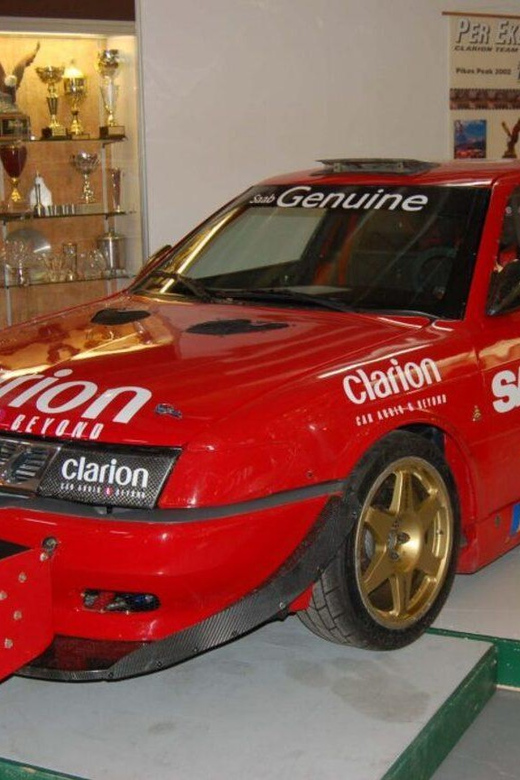
- Per Eklund display: Racing trophies and cars include the 1986 MG Metro 6R4 and Saab 9-3 Viggen.
- Changing exhibition: Vehicles are rotated every year, so the selection does not remain fixed.
- Good extras for enthusiasts: A model car shop and museum publications offer useful souvenirs beyond the visit.
Why Arvika Vehicle Museum is worth your time
Arvika Vehicle Museum is a good choice for anyone who likes machines with a story. The collection does not focus only on famous luxury cars. It includes unusual makes, everyday transport, sporting vehicles, and locally made items that show how people moved around western Värmland.
That mix gives the museum a more personal feel. You can look at a grand 1931 Mercedes, then shift your attention to a bicycle made in Arvika or a simple sled used in a colder climate. The range helps you see transport as part of daily life, not just as a display of expensive automobiles.
The price is $11 per person, which I consider fair for a full museum visit. You are paying for access to a collection of more than 100 vehicles, with several rare or distinctive examples and a rotating display. It is particularly good value if you already have an interest in Swedish industry, motorsport, or historic design.
The experience is valid for one day, so you have room to visit at your available starting time rather than rushing through a short timed attraction. The exact opening or starting time should be checked when booking.
More Museum Tours in Sweden:
- Stockholm: Skansen Open-Air Museum Admission Ticket
★ 4.5 · 3,427 reviews - Stockholm Pass: Save up to 50% – Includes Vasa Museum Ticket
★ 4.1 · 2,392 reviews - Stockholm: Nobel Prize Museum and Exhibition Entry Ticket
★ 4.3 · 994 reviews
Starting with the collection’s unusual vehicles
The strongest part of the museum is its broad selection. The displays include cars from several decades, but the collection is not built around one single brand or era. Instead, you will find unusual marques and vehicles kept in original condition.
That original condition matters. Restored cars can be beautiful, but an unrestored or less altered vehicle often shows more about how it was built and used. You may notice practical design choices, older materials, and details that polished modern restorations can hide.
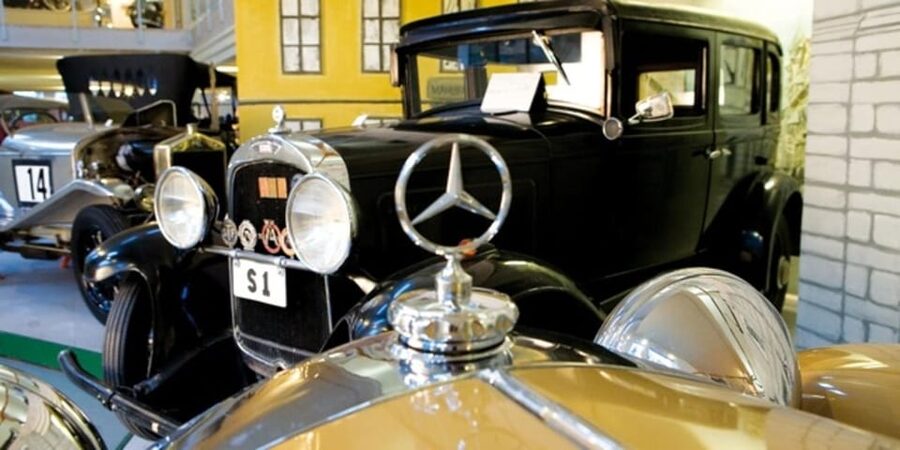
Three cars deserve special attention. The Mercedes 370 S Cabriolet from 1931 brings elegant prewar styling. The 1903 Humber takes you much further back, offering a look at the early years of motor vehicles. The 1953 Volvo PV Valbo Cabriolet connects the exhibition to Sweden’s own automotive production.
These vehicles also give you a useful sense of time. The Humber reflects an early period when cars were still developing as a form of transport. The Mercedes shows the refined design of the interwar years. The Volvo represents a postwar Swedish approach to practical motoring with a more local connection.
Looking beyond cars: motorcycles, sleds, and carriages
If you expect only rows of cars, the wider collection will be a pleasant surprise. Motorcycles, mopeds, bicycles, horse-drawn carriages, sleds, and other forms of transport fill out the story.
This section is valuable because it shows how transport changed according to place, season, and purpose. A horse-drawn carriage tells a different story from a motorcycle. A sled reflects winter travel, while a bicycle suggests short-distance movement under your own power.
The museum also includes a kick sled from Arvika Vagnfabrik. That is a particularly local item, tying an ordinary form of winter transport to a nearby manufacturer. Small details like this can be more revealing than a famous car because they connect the museum to everyday life in Arvika.
Motorcycles and mopeds add another layer. They are smaller than cars, but often show clever engineering and changing ideas about affordable travel. If you enjoy mechanical details, give these displays proper time instead of treating them as an extra room on the way to the cars.
Arvika’s bicycle-making story
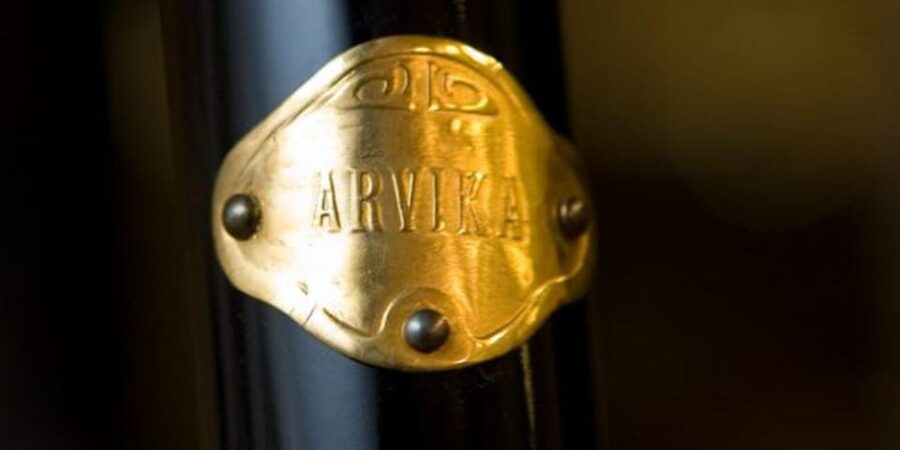
Arvika has a connection to bicycle production, and the museum presents it through five bicycles from Arvika Velocipedfabrik. This is one of the most distinctive parts of the visit because it links the town directly to the objects on display.
For you, the value is in seeing how local manufacturing fits into the larger transport story. The bicycles are not just old objects. They show that Arvika took part in producing practical vehicles used for work, errands, and leisure.
Five examples may not sound like a large section, but they provide a focused look at a specific local industry. I would spend time comparing their frames, wheels, and overall design. The museum’s Swedish-language guide can add context, though visitors who do not speak Swedish may need to rely more on the displays and the physical details of the bicycles.
A completely different kind of day:
- Stockholm: City Archipelago Sightseeing Cruise with Guide
★ 4.3 · 10,798 reviews - Stockholm: Archipelago Boat Tour
★ 4.4 · 3,110 reviews - Stockholm: Highlights Boat Tour
★ 4.3 · 2,542 reviews - Stockholm: Ghost Walk and Historical Tour
★ 4.7 · 2,206 reviews
Per Eklund and the motorsport display
The museum also gives space to local motorsport figure Per Eklund. His trophies and racing cars make this a key stop for anyone interested in rallying or Swedish racing culture.
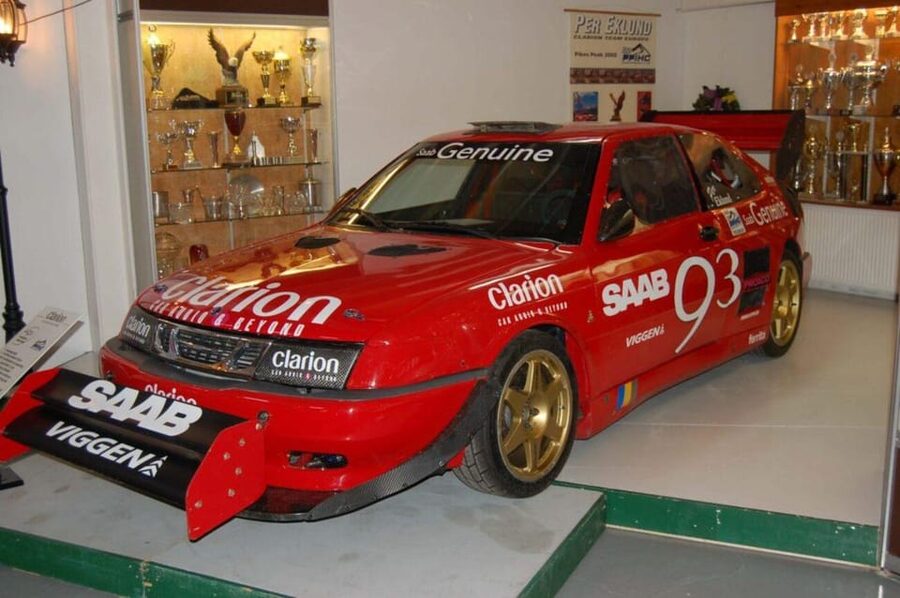
The display includes the MG Metro 6R4 from 1986 and a Saab 9-3 Viggen. These cars help show different sides of performance driving. The MG points to a serious competition machine from the 1980s, while the Saab connects speed and performance with a well-known Swedish car maker.
The trophies add a human element. Racing cars can seem remote when you only see the bodywork, but trophies help explain the effort and achievement behind them. If you are visiting with someone who is less interested in early cars, this section may be the part that holds their attention.
Do not expect a full motorsport event or an interactive racing attraction. This is a museum display, centered on vehicles, trophies, and local sporting connections. Its value comes from the names and stories attached to the cars.
Loans from Sweden’s Technical Museum
Some of the objects come from private owners and institutions. Sweden’s Technical Museum in Stockholm has contributed a Thulin car and a 1915 Detroit Electric car, giving the collection objects that might not otherwise be available in Arvika.
The Detroit Electric is especially interesting because electric cars are not a new idea. A 1915 example reminds you that battery-powered transport has a much longer past than many people realize. The Thulin car adds another Swedish connection and broadens the display beyond the best-known brands.
Loans also help explain why the annual rotation matters. The collection you see is not necessarily permanent in every detail. Vehicles may be replaced or moved, so a return visit can offer a different selection.
How to plan your time inside
The experience is described as a one-day visit, not a short guided walk with a fixed sequence of stops. You can treat it as a flexible museum outing and give more time to the areas that match your interests.
I would begin with a slow pass through the main vehicle displays. Note the unusual makes and original-condition examples first, then return to the cars that catch your eye. After that, spend time with the non-car collection, especially the Arvika bicycles and the kick sled from Arvika Vagnfabrik.
Finish with the Per Eklund motorsport section and the museum shop. This order lets you see the broad collection before focusing on local figures and souvenirs.
The live guide is Swedish, and the group is limited to 10 people. That small size can make the explanation more personal, but the language point is important. If you do not understand Swedish, the guide may be less useful to you than the objects themselves.
The model car shop and museum publications
The model car shop is a practical extra, especially if you collect miniature vehicles or want a small souvenir. It carries a variety of models at good prices, giving you an alternative to buying a generic gift elsewhere.
The museum also sells its own publications about vehicles, roads, and motorsport in Västra Värmland. The featured book costs SEK 200 and is available at the museum or online. This is the better choice if you want something that adds local context to the visit rather than simply taking home a decorative item.
I would consider the book if you have a lasting interest in Swedish motoring or regional history. It can help you make sense of the vehicles and roads connected with the area, though the supplied information does not specify its language.
Who will enjoy this museum most?
I would recommend the museum to car enthusiasts, motorcycle fans, model collectors, and anyone interested in Swedish engineering. It also suits visitors who prefer a quieter cultural stop with plenty of objects to examine at their own pace.
Families may find the variety useful because not everyone needs to like the same kind of vehicle. One person can focus on the racing cars, another on bicycles or carriages, and another on the older automobiles.
The museum may be less satisfying if you want a highly interactive attraction, a long English-language explanation, or a tightly structured tour. The live guide speaks Swedish, and the main appeal comes from looking closely at the collection and understanding its local connections.
Booking is flexible: you can reserve and pay later, and cancellation is free up to 24 hours before the visit for a full refund. Those terms are helpful if your Swedish itinerary is still changing.
Should you book Arvika Vehicle Museum?
Book it if you want more than famous cars behind glass. The combination of unusual vehicles, Arvika-made bicycles, local motorsport, Swedish loans, and changing displays gives the museum a clear sense of place.
At $11, it offers solid value for a full day of museum access, especially if you use the shop and publications to extend the visit. I would be most cautious if you need English guiding or expect a hands-on attraction. For a calm, detail-focused stop centered on Swedish vehicles and local stories, it is an easy choice.
FAQ
Where is Arvika Vehicle Museum located?
Arvika Vehicle Museum is in Arvika, Sweden.
How much does admission cost?
Admission costs $11 per person.
How long is the ticket valid?
The ticket is valid for one day.
What is included in the price?
The entry ticket to the museum is included.
How many vehicles are in the museum?
The museum contains more than 100 vehicles from different decades.
What types of vehicles can I see?
You can see cars, motorcycles, mopeds, bicycles, horse-drawn carriages, sleds, and other transport items.
Is the museum collection permanent?
No. Vehicles are rotated every year, so parts of the exhibition can change.
Is there a motorsport display?
Yes. The museum presents local motorsport figure Per Eklund, including trophies and racing cars such as the 1986 MG Metro 6R4 and Saab 9-3 Viggen.
What language is the live guide?
The live tour guide speaks Swedish.
Can I buy souvenirs at the museum?
Yes. The museum has a model car shop and sells publications about vehicles, roads, and motorsport in Västra Värmland. One listed book costs SEK 200.
Just added in Sweden
- World War II Stockholm Old Town Walking Tour and Army Museum★ 4.6 · 4 reviews
- Wolf and Wildlife Tracking in Sweden★ 5.0 · 1 review
- West Sweden: Sea Kayak Delight in Nature Reserves★ 5.0 · 6 reviews
- West Sweden: Self Guided Kayak Tour – Southern Route★ 5.0 · 1 review
- West Sweden: Rock Climbing Day★ 5.0 · 2 reviews
- Self-Guided Audio Walking Tour Through Kurt Wallander’s Ystad★ 3.5 · 12 reviews
- Viking History Half-Day Tour from Stockholm★ 5.0 · 1 review
- Uppsala bloody history 1h- racial biology, 18th century plague, 19th century prostitution etc.★ 5.0 · 4 reviews
Swedish Museums, compared.

Stockholm Pass: Save up to 50% – Includes Vasa Museum Ticket
Read our review →


Skip the Line: Disgusting Food Museum Entrance Ticket
Read our review →

Vasa Museum Guided Tour, Including Ticket & Guide
Read our review →
Browse the lists this tour appears in