
Review · OLD TOWN WALKING TOURS
World War II Stockholm Old Town Walking Tour and Army Museum
Wars leave traces in quiet places. This private Stockholm tour uses Gamla Stan, monuments, churches, and government buildings to explain Sweden’s uneasy neutrality during World War II. I like the focus on Swedish choices and consequences, rather than a general wartime lecture, and I like the direct connection to Raoul Wallenberg’s rescue work. The main drawback is the price: at $205 per person, this makes the most sense for visitors who want a private guide and serious historical context.
You can choose a two-hour Old Town walk or add a third hour at the Army Museum. I especially like the chance to examine how trade, politics, royal decisions, religion, and humanitarian action shaped Sweden’s war years. You should know that the museum is included only with the three-hour option, and the number of attractions depends on which version you book.
In This Review
- Key points to know before booking
- Why Sweden’s wartime story deserves a closer look
- Starting at the Lars Johan Hierta Monument
- Gamla Stan as a classroom
- The Remembrance Path and Raoul Wallenberg
- Nobel Prize connections
- Choosing between two and three hours
- What the Army Museum adds
- Price, private groups, and value
- Who should book this Stockholm experience?
- Final decision: choose the history depth you want
- FAQ
- Where does the World War II Stockholm tour begin?
- How long does the tour last?
- Is the Army Museum included in the two-hour tour?
- What does the tour cover in Stockholm’s Old Town?
- Who is Raoul Wallenberg?
- Which languages are available?
- Is the tour private and wheelchair accessible?
Key points to know before booking
- Sweden’s neutrality is the central story: Learn how the country’s official position changed as the war developed, and how neutrality affected domestic politics and foreign trade.
- Raoul Wallenberg receives proper attention: Follow the Remembrance Path in Berzelii Park and hear about his effort to save tens of thousands of Jewish people from the Holocaust.
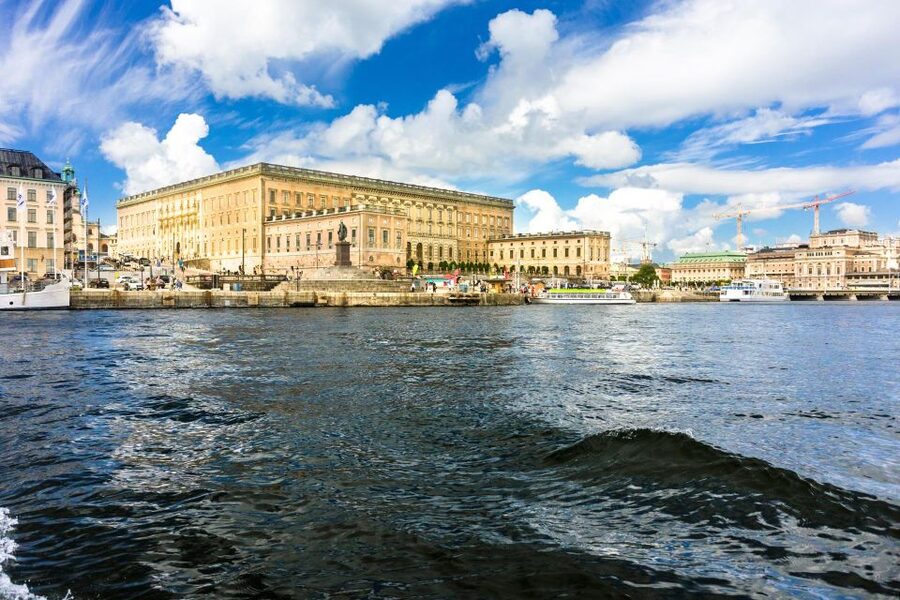
- The setting adds meaning: The route includes the Royal Palace, Storkyrkan, Parliament House, war monuments, and Holocaust memorial sites.
- The Army Museum adds useful depth: The three-hour version covers more than 500 years of Swedish wartime and peacetime history, with uniforms, weapons, documents, and an exhibition on Wallenberg.
- This is a true private tour: One guide covers groups of 1 to 25 people. Larger groups require additional guides, which can raise the total price.
- You can choose your language: Guides are available in English, Swedish, German, Italian, French, Spanish, and Russian.
Why Sweden’s wartime story deserves a closer look
Sweden did not fight as a major combatant in World War II, but that does not make its wartime story simple. The country’s neutrality affected trade, political choices, military planning, and the treatment of people fleeing German occupation.
This tour gives you a way to examine those issues in the places where Sweden’s public life unfolded. Instead of learning only dates and battlefield movements, you look at the decisions made by the royal family, government, churches, and wider society. That local setting is important. The Royal Palace and Parliament House are not just impressive buildings here. They help frame questions about national policy and moral responsibility.
The tour also addresses Sweden’s relationship with Germany. Its neutrality helped the country avoid direct invasion, but neutrality did not remove difficult compromises. Foreign trade and the movement of goods through Scandinavia became part of the wartime story. Your guide explains these matters in the context of Sweden’s changing position during the conflict.
I find this focus more useful than a simple claim that Sweden was neutral and therefore uninvolved. You get a closer look at how a small country tried to protect itself while facing pressure from competing powers. The tour also brings in the Soviet bombings of Sweden, a reminder that the country was not untouched by the war even when it remained outside the main fighting.
More Walking Tours in Stockholm
- Stockholm: Ghost Walk and Historical Tour
★ 4.7 · 2,206 reviews - Walking Tour of Stockholm Old Town
★ 5.0 · 1,175 reviews - The Original Stockholm Ghost Walk and Historical Tour – Gamla Stan
★ 4.5 · 1,165 reviews
Starting at the Lars Johan Hierta Monument
The meeting point is in front of the Lars Johan Hierta Monument at Riddarhustorget 9. Hierta was a Swedish journalist who contributed to the country’s free press, making the monument a fitting place to begin a tour that considers political decisions, public debate, and national identity.
Starting here gives your guide room to establish the basic timeline before you enter the narrower streets of Gamla Stan. You can expect an introduction to Swedish neutrality at the beginning of World War II, followed by an explanation of how that policy shifted as events unfolded.
The meeting point is in Stockholm’s Old Town, so you should allow time to find Riddarhustorget without rushing. The tour is private, and the guide speaks your selected language. That matters on a subject with many names, political terms, and sensitive details. A guide who can explain the story clearly in English, Swedish, German, Italian, French, Spanish, or Russian makes the experience more accessible.
Gamla Stan as a classroom

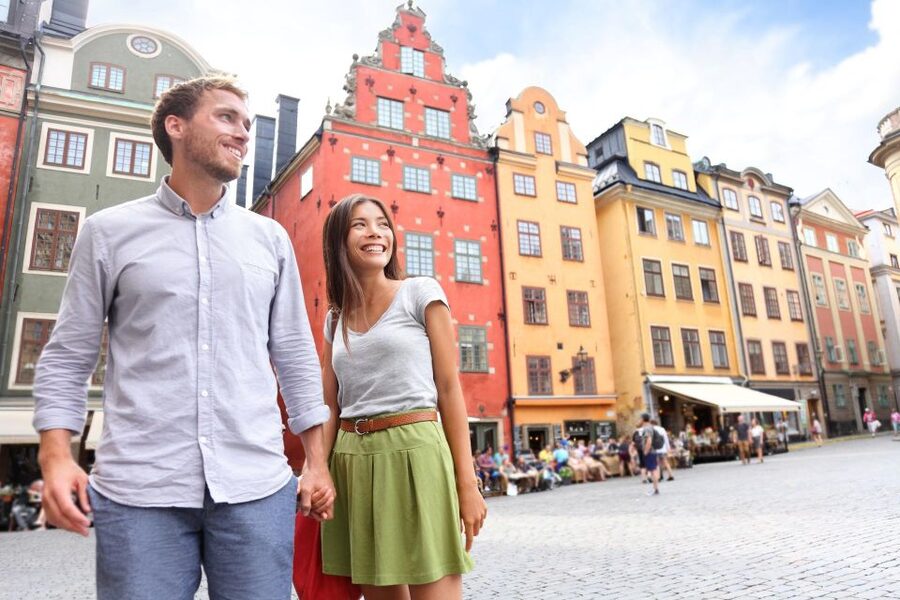
Stockholm’s Old Town is a practical place for this kind of walk. The streets connect major civic, royal, and religious sites within a compact area. You are not being taken from one distant museum to another. Instead, the tour uses the city itself to show how wartime issues touched Swedish public life.
The Royal Palace is one of the major stops. Here, your guide discusses the responses of the Swedish royal family during the war. The palace also gives you a sense of the relationship between the monarchy and the government, a useful backdrop for understanding how Sweden presented itself during a period of intense pressure.
Nearby, Storkyrkan, Stockholm’s cathedral, brings the church into the discussion. The tour considers how religious institutions responded to the war and to the plight of Jewish refugees. This is one of the stronger parts of the route because it broadens the story beyond military policy. Sweden’s wartime choices involved public institutions, private citizens, and moral leaders as well as politicians.
Parliament House adds another layer. Your guide explains how the war affected domestic politics and the debates surrounding neutrality. You may find that the buildings themselves are less important than the questions they raise: How much compromise is acceptable when national safety is at stake? How does a neutral country respond when neighboring nations are occupied?
This walking format works best if you enjoy connecting place and history. It is less suited to someone who wants a museum-style presentation with large displays and long periods indoors. The two-hour version keeps moving through the city, with the guide doing most of the interpretation.
The Remembrance Path and Raoul Wallenberg
The emotional center of the tour is the Remembrance Path in Berzelii Park. Here, the focus turns to Holocaust remembrance and the humanitarian effort to help Jewish refugees escaping the German occupation of Denmark and Norway.
Raoul Wallenberg is the key figure. A Swedish diplomat, Wallenberg worked to rescue tens of thousands of Jewish people from the Holocaust. The tour presents his efforts as part of the wider Swedish story, not as an isolated heroic tale. You learn how humanitarian action existed alongside the country’s complicated wartime policy.
This stop is valuable because it puts a human face on a subject that can otherwise feel dominated by governments and military movements. It also helps explain why Sweden’s history during the war cannot be judged through neutrality alone. A country may try to avoid combat while individuals and institutions still face urgent moral choices.
The subject is serious, and the tour includes monuments dedicated to World War II and the Holocaust. You should expect a thoughtful historical discussion rather than a light sightseeing stroll. The memorial stops may be especially meaningful if you want to understand Sweden’s role in helping refugees and remembering those affected by Nazi persecution.
The information provided does not promise a visit to every memorial site in Stockholm, so keep your expectations tied to the listed route. You will visit monuments connected with the war and Holocaust remembrance, but the exact number of attractions depends on the option you select.
More Old Town walks:
- Stockholm: Old Town Walking Tour with Local Guide
★ 4.7 · 719 reviews - Walking Tour of Stockholm’s Old Town, Gamla Stan
★ 5.0 · 451 reviews - Stockholm: Old Town Historical Walking Tour
★ 4.9 · 344 reviews - Old Town Tour of Stockholm
★ 4.0 · 289 reviews
Nobel Prize connections
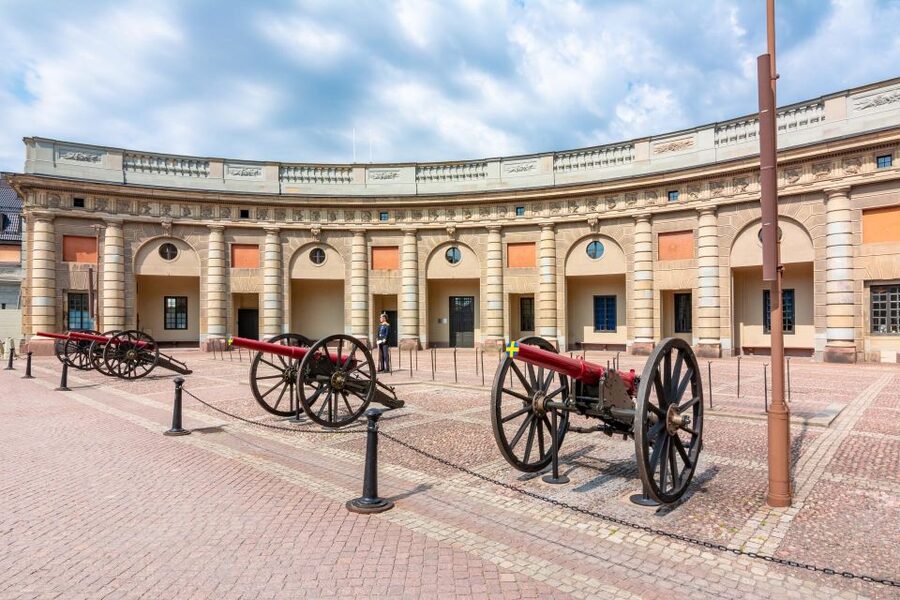
The tour also explains how World War II influenced the prestigious Nobel Prize awards. This is a smart addition because the Nobel Prize is closely associated with Sweden’s international identity, yet its awards and public role were affected by wartime conditions.
Your guide can place the prizes within the wider political climate of the period. The point is not simply to admire the Nobel institution. It is to see how war affected cultural and scientific life, international recognition, and Sweden’s position in the wider world.
This part should appeal to you if your interests go beyond battles and weapons. It adds a civic and intellectual dimension to the walking tour. Still, the supplied details do not identify specific Nobel laureates or awards discussed, so you should not book this experience expecting a specialist Nobel Prize tour.
Choosing between two and three hours
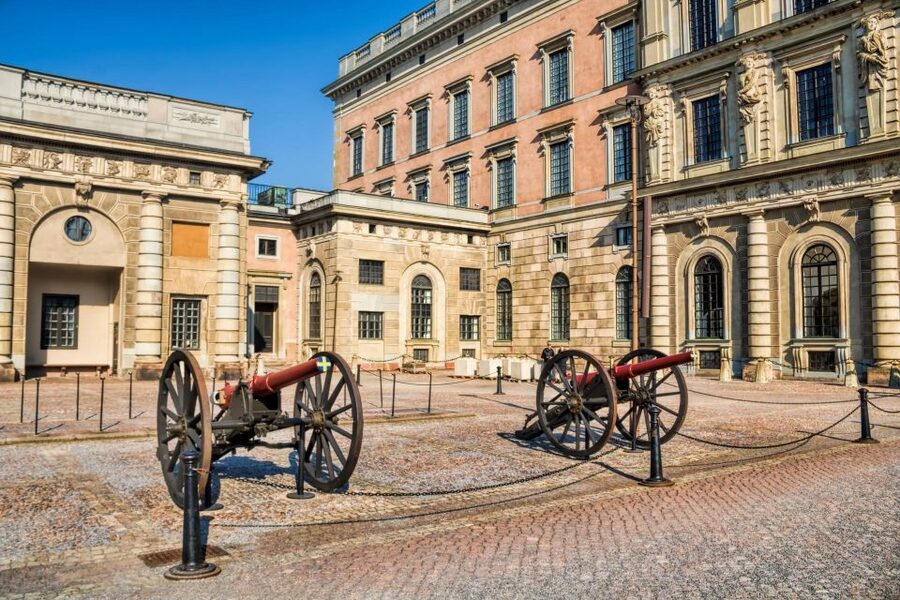
The two-hour version is a focused walking tour through Gamla Stan. It covers Swedish neutrality, the political and social climate of Scandinavia, the Royal Palace, Storkyrkan, Parliament House, the Remembrance Path, war monuments, and the story of Raoul Wallenberg.
This option suits you if your schedule is tight or if you want a clear introduction without committing to a longer museum visit. It also works well as a first look at Stockholm’s wartime story, especially if you plan to visit other museums on your own.
The three-hour version includes everything in the walking tour plus admission to the Army Museum. The extra hour is not just a small add-on. It changes the balance of the experience from an outdoor historical walk to a fuller study of Swedish military and social history.
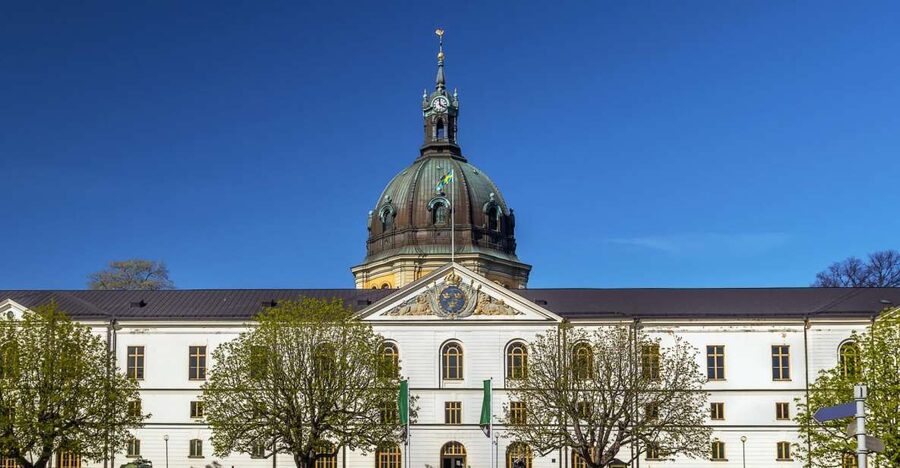
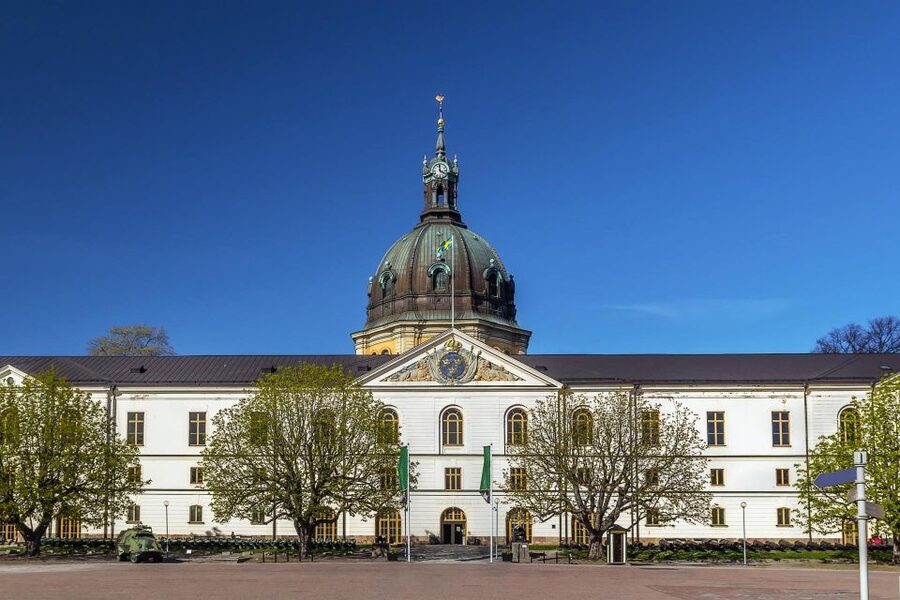
The museum covers more than 500 years of wartime and peacetime in Sweden. Its displays explore the living conditions of soldiers, their families, and the wider population. You will see historical documents, military uniforms, weapons, and trophies. One exhibition is dedicated to Raoul Wallenberg.
I would choose the three-hour option if this is one of your main history experiences in Stockholm. The museum gives your guide’s WWII discussion a broader frame. You can see how military life and civilian life developed over centuries, then connect that background to Sweden’s position during World War II.
The two-hour tour may be enough if you mainly want Wallenberg, neutrality, and the Old Town sights. Just remember that Army Museum admission is not included in that shorter option.
What the Army Museum adds
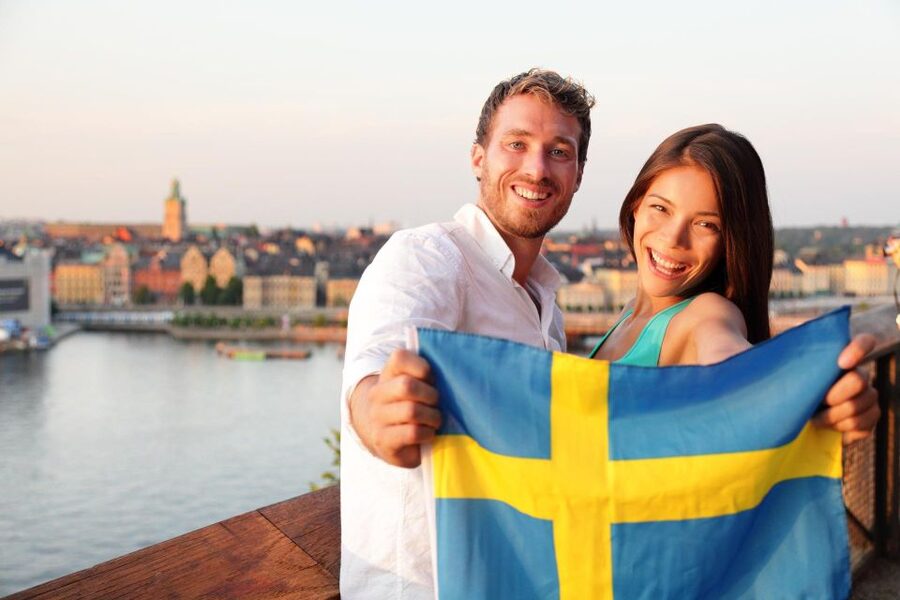
The Army Museum helps explain the difference between official neutrality and military preparedness. Sweden’s wartime experience cannot be understood only through diplomatic statements. Military institutions, soldiers, families, and ordinary people all lived with the effects of war.
The museum’s long time span also keeps World War II from appearing in isolation. You can place the conflict within centuries of Swedish military and peacetime history. Historical documents and uniforms provide visual evidence, while weapons and trophies show the material side of war.
The Wallenberg exhibition gives the visit a direct connection to the walking route. After hearing about his rescue work in the city, you encounter an exhibition devoted to him inside the museum. That continuity is a strong reason to select the longer tour rather than treating the museum as an unrelated stop.
There is a tradeoff. If you prefer quiet streets, architecture, and memorials, the two-hour walk may feel more personal and less crowded with information. If you enjoy objects, displays, and military history, the museum is worth the extra hour and the additional admission included in the three-hour price.
Price, private groups, and value
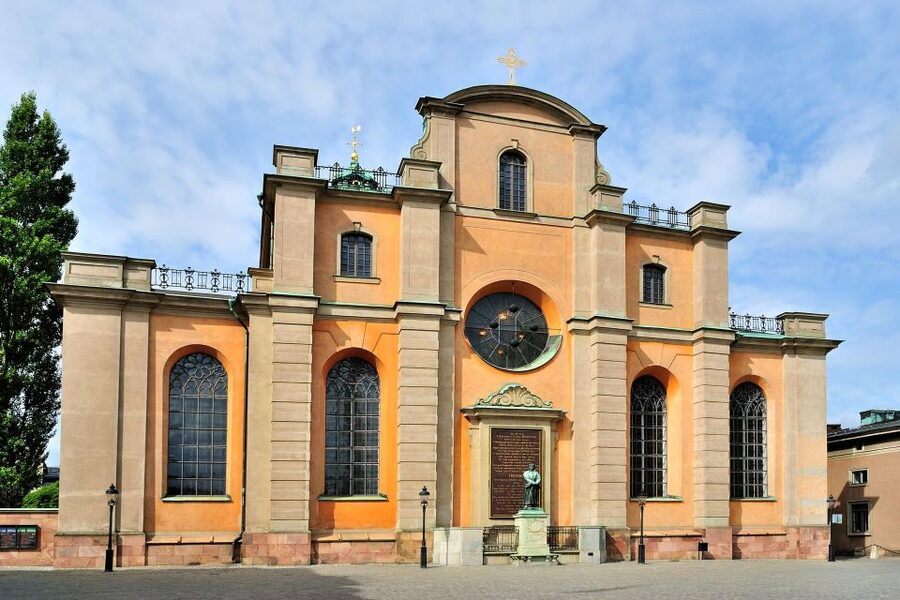
The listed price is $205 per person. That is a serious amount for two or three hours, so the value depends heavily on how much you want a private, guide-led history experience.
The strongest reason to pay this price is the private format. You are not placed into a standard shared group with a fixed script. The guide can speak your chosen language and focus the discussion on the subjects that matter most to you, such as neutrality, Wallenberg, refugee policy, or military history.
Group size affects the calculation. One guide covers 1 to 25 people, while groups of 26 to 50 require two guides. The price rises if additional guides are needed. For a small private party, the cost may be easier to justify because you are paying for dedicated attention. For a larger family or organization, check the final total carefully.
The three-hour option offers better value if you would otherwise pay separately to enter the Army Museum. It also gives you a more complete historical experience. The two-hour option offers better schedule value if you want the city walk without adding a museum visit.
Free cancellation up to 24 hours before the tour and the reserve-now, pay-later arrangement reduce some booking risk. Check your email 24 hours before the start for important tour information.
Who should book this Stockholm experience?
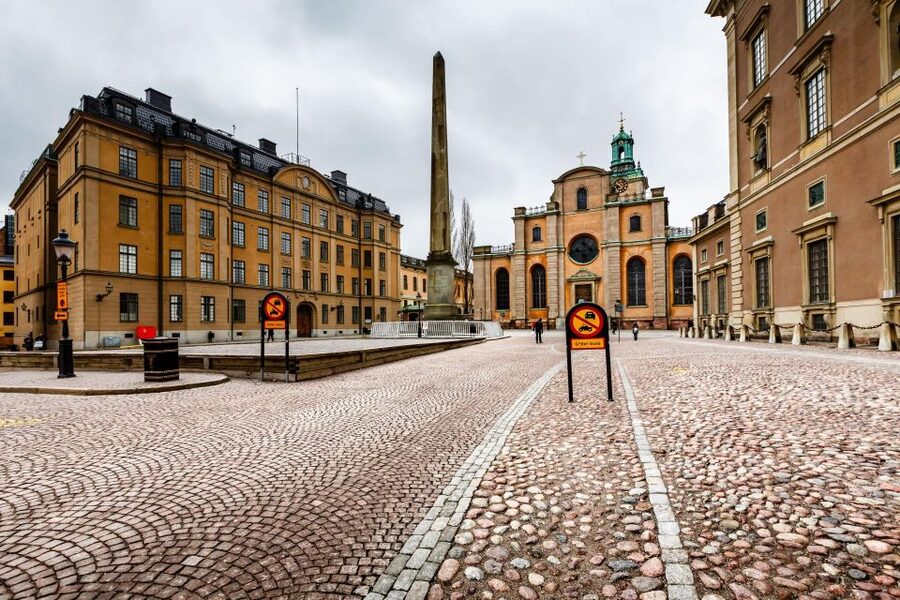
I would recommend this tour to you if you enjoy political history, Holocaust remembrance, diplomacy, military history, or the stories behind famous city monuments. It is also a good fit if you want a guide who can connect Stockholm’s buildings to the decisions made during the war.
Families with older children may find the route useful because it turns abstract history into a walk through royal, religious, and civic locations. The subject matter is serious, so parents should decide if the Holocaust and refugee sections suit their children.
The tour is wheelchair accessible, which makes it a practical choice for visitors who need an accessible sightseeing format. The route is a walking tour, so you should still consider your own comfort with two or three hours of guided movement through the Old Town.
You may want to skip it if your main goal is a broad overview of Stockholm’s architecture, food, or royal attractions. The palace and cathedral appear here as historical evidence, not as the main sightseeing focus. You may also find the price high if you are happy to read about Swedish neutrality independently.
Final decision: choose the history depth you want
Book this tour if you want to understand Sweden’s difficult wartime position rather than simply admire Stockholm’s Old Town. The strongest elements are the connection between neutral policy and real human consequences, the Raoul Wallenberg story, and the use of the Royal Palace, cathedral, Parliament House, and memorial sites as part of the explanation.
Choose two hours for a focused introduction to WWII in Sweden. Choose three hours if you want the Army Museum’s uniforms, weapons, documents, military history, and Wallenberg exhibition to complete the picture.
At $205 per person, this is not a casual budget walk. It is a specialist private tour for history-minded visitors who value a guide’s interpretation and the ability to ask questions in their own language. If that sounds like your kind of Stockholm afternoon, the longer option gives you the fullest return.
FAQ
Where does the World War II Stockholm tour begin?
Meet the guide in front of the Lars Johan Hierta Monument at Riddarhustorget 9, 111 28 Stockholm.
How long does the tour last?
You can choose a two-hour walking tour or a three-hour tour that adds the Army Museum.
Is the Army Museum included in the two-hour tour?
No. Army Museum admission is included only with the three-hour option.
What does the tour cover in Stockholm’s Old Town?
The route covers Sweden’s neutrality, domestic politics, foreign trade, the Soviet bombings of Sweden, refugee assistance, the Royal Palace, Storkyrkan, Parliament House, war monuments, Holocaust remembrance sites, and Raoul Wallenberg’s rescue work.
Who is Raoul Wallenberg?
The tour explains Wallenberg’s effort to save tens of thousands of Jewish people from the Holocaust. The three-hour option also includes an Army Museum exhibition dedicated to him.
Which languages are available?
The live guide is available in German, Italian, French, Spanish, Russian, English, and Swedish.
Is the tour private and wheelchair accessible?
Yes. It is a private group experience and is listed as wheelchair accessible. One guide covers groups of 1 to 25 people, with additional guides required for larger groups.
More Museum Tours in Stockholm
- Stockholm: Skansen Open-Air Museum Admission Ticket
★ 4.5 · 3,427 reviews - Stockholm Pass: Save up to 50% – Includes Vasa Museum Ticket
★ 4.1 · 2,392 reviews - Stockholm: Nobel Prize Museum and Exhibition Entry Ticket
★ 4.3 · 994 reviews - Stockholm: Fotografiska Museum Entrance Ticket
★ 4.5 · 702 reviews
Just added in Stockholm
- Wolf and Wildlife Tracking in Sweden★ 5.0 · 1 review
- Viking History Half-Day Tour from Stockholm★ 5.0 · 1 review
- Stockholm Old Town Walking Tour + Archipelago Cruise★ 5.0 · 1 review
- Wolf and Wildlife Tracking in Sweden★ 5.0 · 9 reviews
- Scandinavian Art, Architecture and Design Tour in Stockholm★ 4.5 · 11 reviews
- Wine tasting in Old Town Stockholm★ 5.0 · 1 review
- Voyage of the Vikings: Guided Exploration Through Sweden’s Past★ 5.0 · 2 reviews
- Private Tour: Swedish History Day Trip to World Heritage Candidate Markim-Orkesta from Stockholm★ 5.0 · 8 reviews
Old Town Walking Tours, compared.
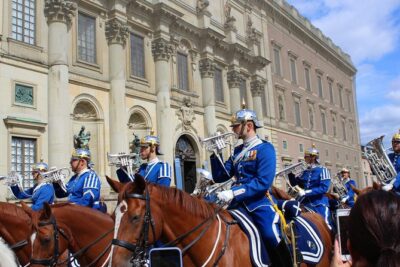
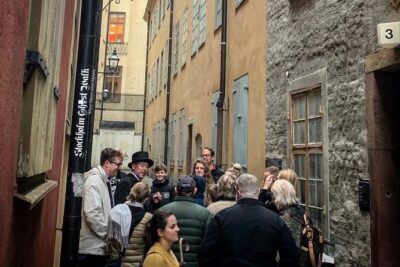
The Original Stockholm Ghost Walk and Historical Tour – Gamla Stan
Read our review →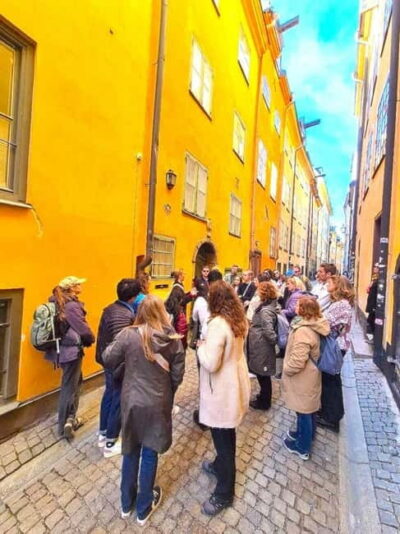
Walking Tour of Stockholm’s Old Town, Gamla Stan
Read our review →
Old Town Guided Walking Tour (English / Deutsch)
Read our review →
Secrets of Gamla Stan Guided Tour w/ Fika Option
Read our review →Browse the lists this tour appears in