
Review · SWEDISH MUSEUMS
Stockholm: Skansen Open-Air Museum Admission Ticket
Step into old Sweden. Skansen makes the country’s past easy to understand, with historic homes, workshops, farms, and costumed staff spread across a large hilltop park. I especially like the chance to see how ordinary people lived, worked, and celebrated, and the mix of Swedish buildings with Nordic animals such as moose, lynx, bears, and wolverines. The main drawback is its size: two hours is not enough, and some paths are hilly.
I also like the changing seasonal program, from Midsummer events to the traditional Christmas market, plus the views across Stockholm from the grounds. At $27 per person, the ticket is fair value if you stay for several hours, but less attractive if you only want a quick walk or plan to skip most of the museum buildings.
In This Review
- Key points at a glance
- What Skansen is really about
- Entering the historic Swedish neighborhoods
- The people, customs, and changing seasons
- Meeting moose, bears, lynx, and smaller animals
- The aquarium and other possible add-ons
- Walking the hilltop grounds
- Eating, shopping, and taking a break
- How long should you stay?
- Is the $27 ticket good value?
- Best times to visit
- Who should book Skansen?
- Should you book Skansen?
- FAQ
- Where is Skansen located?
- How much does admission cost?
- How long is the ticket valid?
- Can I arrive at a different time from my selected timeslot?
- Is food included with admission?
- Is Skansen wheelchair accessible?
- How many historic buildings can I see?
- What animals are at Skansen?
- Is the aquarium included?
- Can I cancel my booking?
Key points at a glance
- 150 historic buildings: Farmsteads, homes, shops, and workplaces moved from different parts of Sweden show how people lived from the 16th century to the early 1900s.
- Nordic wildlife: You may see moose, brown bears, lynx, wolverines, reindeer, seals, and rare domestic breeds.
- A full-day outing: The grounds are large, hilly in places, and easy to underestimate. Plan at least half a day.
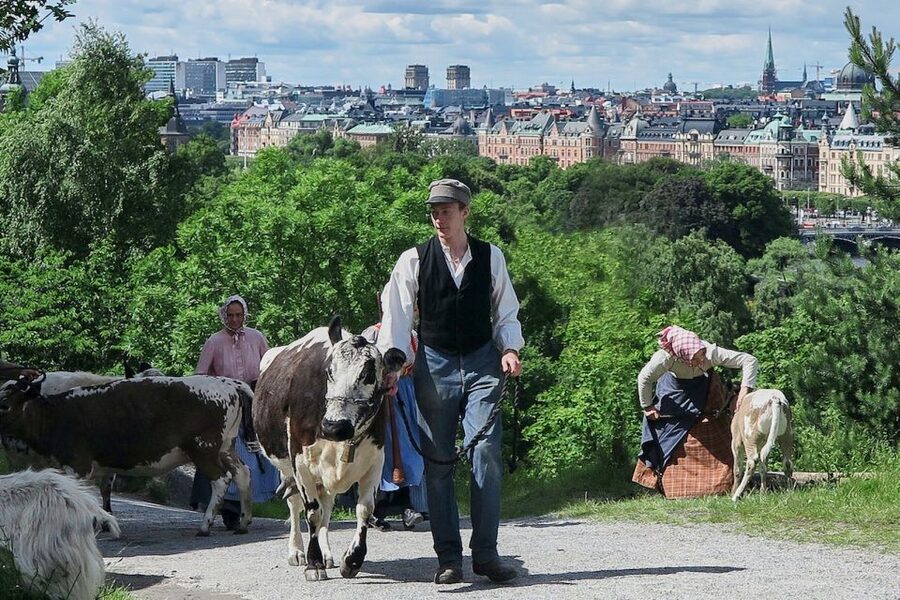
- Living demonstrations: Staff in period roles explain trades, food, customs, and daily life in old Swedish communities.
- Seasonal atmosphere: Christmas markets, Midsummer celebrations, snow, and changing decorations give the museum a different mood throughout the year.
- Extra costs to watch: Food and drinks are not included, and some attractions, including the aquarium or funicular, may require an additional fee.
What Skansen is really about
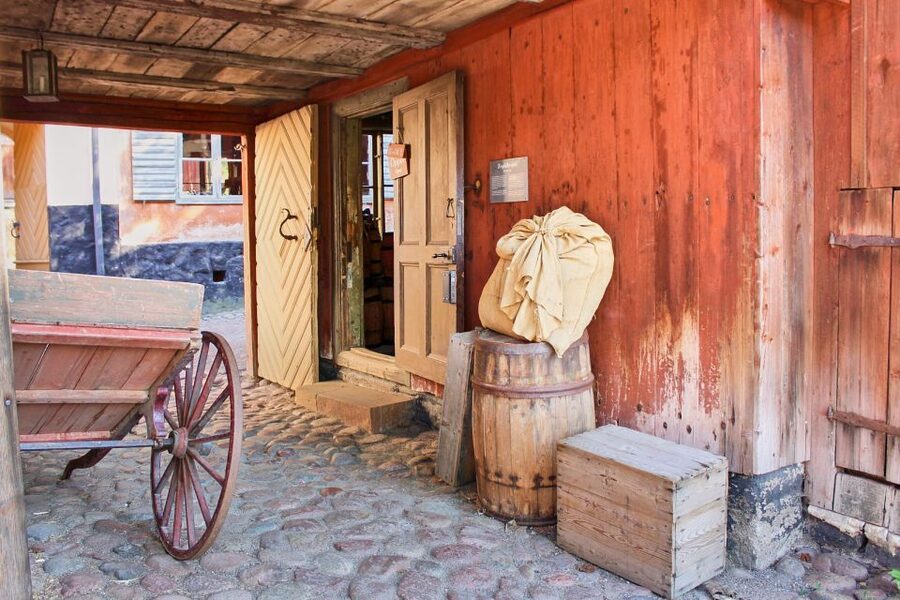
Skansen is not a conventional museum where you move from one glass case to the next. It is a large outdoor setting where Swedish homes, farms, workshops, churches, shops, and public buildings form a picture of pre-industrial life.
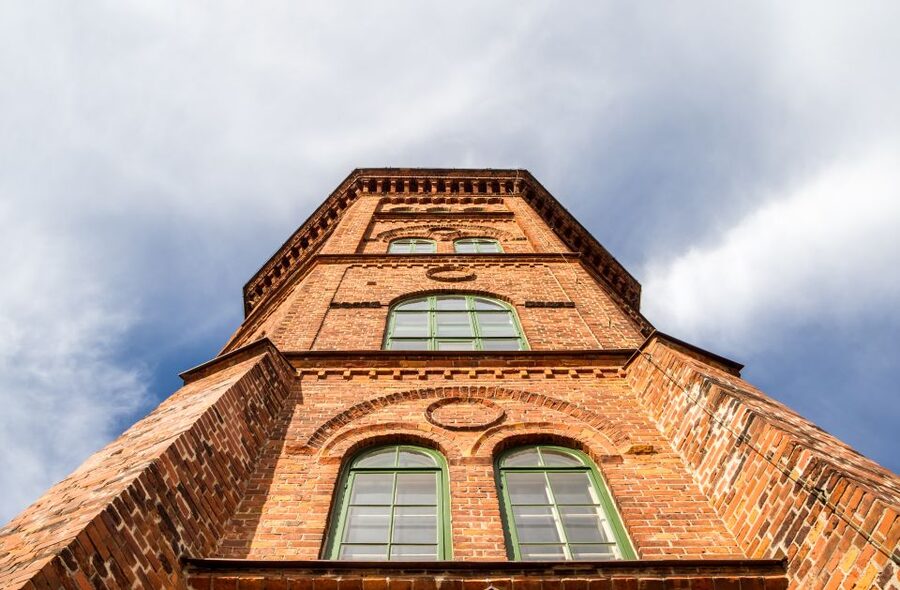
The buildings come from different parts of Sweden. That matters because the country’s traditions and building styles varied from region to region. As you walk from one area to another, you get a sense of different social conditions, not just a collection of pretty old houses.
The time span is broad. Exhibits explain life from the 16th century through the first half of the 20th century, so you can compare rural customs with more recent urban working life. The best parts are often the plain ones: a worker’s home, a farm kitchen, a bakery, or a small shop showing what people used every day.
You will not absorb everything in a single pass. Skansen covers enough ground that you should treat it as a major Stockholm attraction, not a quick stop between other sights.
More Museum Tours in Stockholm:
- Stockholm Pass: Save up to 50% – Includes Vasa Museum Ticket
★ 4.1 · 2,392 reviews - Stockholm: Nobel Prize Museum and Exhibition Entry Ticket
★ 4.3 · 994 reviews - Stockholm: Fotografiska Museum Entrance Ticket
★ 4.5 · 702 reviews
Entering the historic Swedish neighborhoods
The open-air museum’s greatest strength is the way the buildings are arranged as lived-in places rather than isolated monuments. You can walk through old neighborhoods, farmsteads, and working environments, then step inside buildings where the furnishings and tools explain how each space was used.
The effect is strongest when a staff member is present in period clothing or role. These demonstrations help turn a building into a story. One activity described by a visitor involved making a bookmark at the printers, while other workshops show trades such as glassblowing and baking.
That hands-on approach is useful for children, but adults get plenty from it too. You can see how work shaped the day, how homes were organized, and how seasonal tasks affected food, clothing, and celebrations.
Opening times for individual buildings can differ from the hours for the wider grounds. One useful tip is to arrive early if you want the best chance of meeting staff inside the houses. Some indoor demonstrations may finish around 3 p.m., even when outdoor areas remain open longer.
Sunday and winter schedules can also mean fewer staffed buildings or closed sections. Check the current program before you go if the historic interpreters are your main reason for visiting.
The people, customs, and changing seasons
Skansen explains Swedish life through ordinary routines. You learn how people worked, prepared food, marked holidays, and adapted to the changing seasons. This is more useful than a timeline of dates because it shows how national culture grew from daily habits.
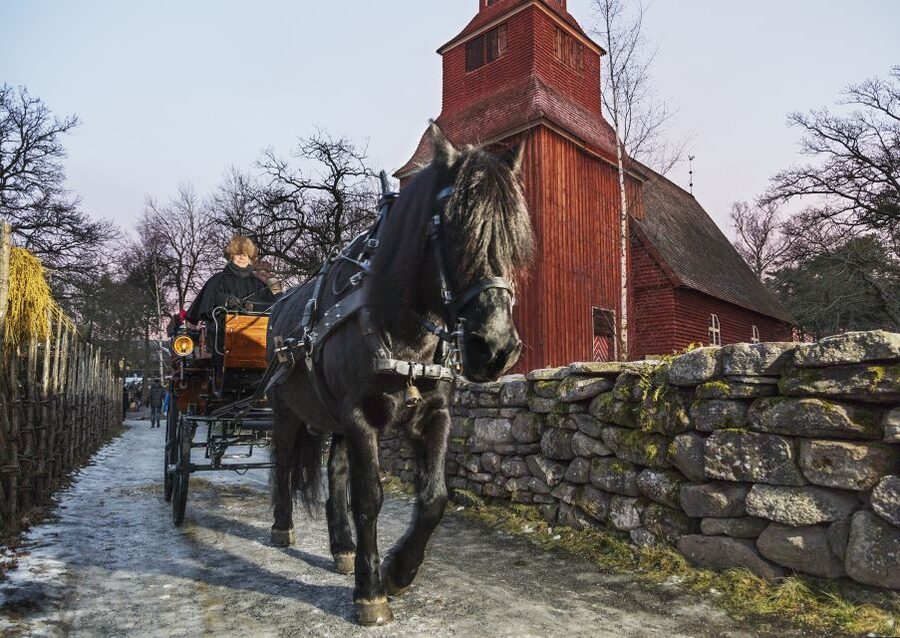
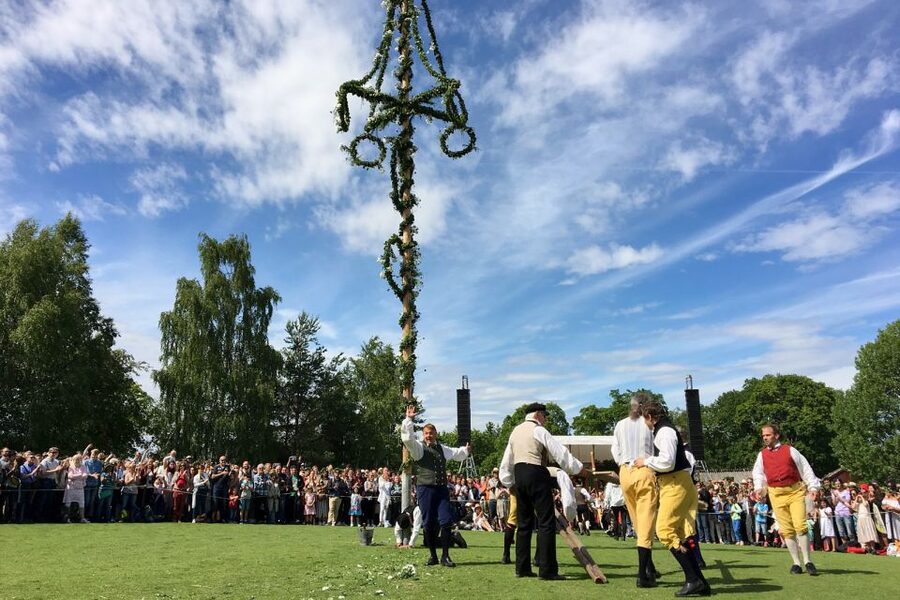
The seasonal events add a strong sense of place. Midsummer celebrations are a major attraction in summer, with traditional customs and activities. In winter, snow can make the old farms and houses feel especially atmospheric, although cold weather also makes the walking more demanding.
The Christmas market has a long tradition, dating back to 1903. The listed market dates are Fridays through Sundays from November 26 to December 19, with handicrafts, sweets, homemade candles, and presents. Because seasonal schedules can change, check the current dates before planning a trip around it.
These events are not just decoration. They help explain how people gathered, celebrated, bought goods, and passed on customs. If you have a choice of dates, a special event can add a lot to the admission price.
Meeting moose, bears, lynx, and smaller animals
Skansen also functions as a zoo, and the animal areas are one of the most praised parts of the visit. The collection includes about 75 species, with Nordic wild animals, rare domestic breeds, and smaller creatures for children.
The headline animals are the ones you came to Sweden hoping to see: moose, brown bears, lynx, wolverines, reindeer, and seals. Several people particularly enjoyed the moose, and the wolverines and lynx can be memorable additions to the historic exhibits.
Animal availability is not guaranteed. Enclosures may close for maintenance, and specific animals may not be on view. Reindeer and wolf areas have been unavailable at times, so do not buy the ticket expecting a guaranteed checklist.
The children’s zoo has domestic animals such as cats, rabbits, and guinea pigs. That section gives younger children something familiar after the larger Nordic animals, and the peacocks wandering around the grounds can provide an unexpected close encounter.
The animal areas are spread through the park, so you will see them as part of the walk rather than in one compact zoo circuit. That is pleasant, but it adds to the time and effort required.
More things to do in Stockholm:
- Stockholm: City Archipelago Sightseeing Cruise with Guide
★ 4.3 · 10,798 reviews - Stockholm: Archipelago Boat Tour
★ 4.4 · 3,110 reviews - Stockholm: Highlights Boat Tour
★ 4.3 · 2,542 reviews - Stockholm: Ghost Walk and Historical Tour
★ 4.7 · 2,206 reviews
The aquarium and other possible add-ons
The grounds include more than the outdoor animal enclosures. The Baltic Sea Science Center Aquarium is frequently singled out as worth extra time, particularly for its focus on Baltic marine life and its interactive displays.
There is some variation in how the aquarium and related attractions are packaged, so check the conditions attached to your ticket on the day you book. Several visitors describe the aquarium as an additional purchase, while another account says it was included. The safest approach is to budget for a possible separate charge rather than assume every attraction comes with the basic admission.
A walk-through lemur area is another reported highlight. If access is available during your visit, it can be a very different experience from watching Nordic wildlife from outside an enclosure.
The funicular is another possible add-on. It helps with the initial steep hill, which can be useful if you want to save energy or have mobility concerns. It is not included in the basic admission according to the supplied details.
Walking the hilltop grounds

Skansen is beautiful to explore on foot, but the scale catches many people off guard. You will be walking between buildings, animal areas, viewpoints, shops, and food stops, often on sloping paths.
Comfortable shoes are essential. The park can be especially demanding in winter, when snow or ice may make the routes slower. One account describes the grounds as more hilly than expected, while another notes that a tram or funicular ride up the first major hill costs extra.
The attraction is wheelchair accessible, but accessibility does not mean every route will feel easy. The hills, weather, and distance between sections still matter. If you use a wheelchair or have limited stamina, ask staff about the easiest route and consider the paid uphill transport if it is operating.
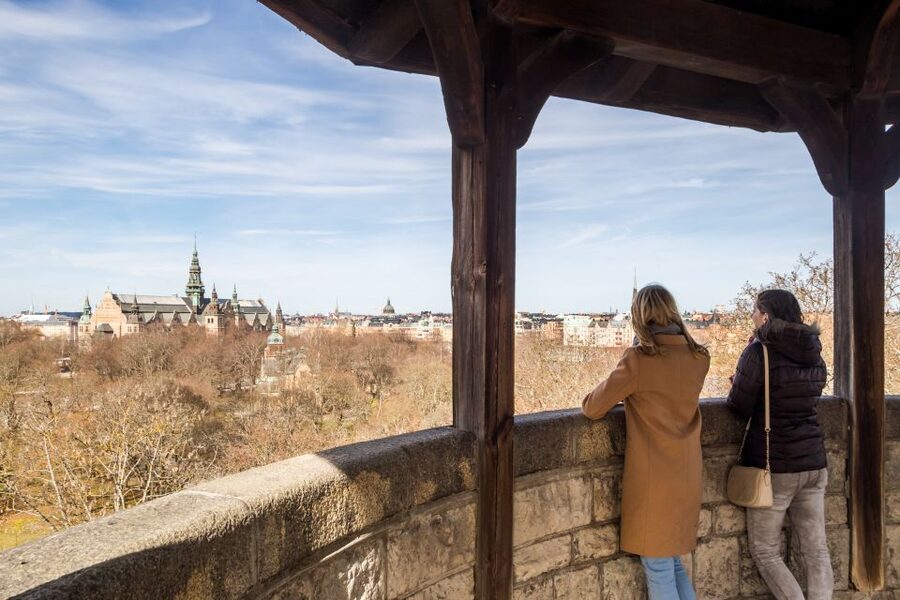
The views help break up the walking. Several parts of Skansen offer wide views over Stockholm, and restaurants provide particularly appealing places to pause. A meal is not included, so add food to your budget if you plan to stay most of the day.
Eating, shopping, and taking a break
You can buy food and drinks inside Skansen, but they are separate from the ticket. Restaurants and cafés offer a practical reason to stay longer, especially because the grounds are too large for a quick visit.
Opening hours can be seasonal. One visitor arrived at 10 a.m. and found that cafés and stands opened gradually from around 11 a.m. If you arrive early, bring a little patience and do not count on immediate coffee.
A restaurant overlooking Stockholm can turn lunch into part of the visit rather than just a necessary pause. The views are a nice bonus, but food prices and opening times should be checked for your date.
The museum shop is also worth a look. It focuses on traditional handicrafts and Swedish-designed items, with a more useful selection than the usual souvenir rack. Seasonal markets add homemade candles, sweets, craft goods, and Christmas presents.
How long should you stay?
Give Skansen at least half a day if you want the visit to feel worthwhile. Five hours is reasonable for seeing many buildings, animal areas, and a few demonstrations without rushing.
A full day makes sense if you want to visit the aquarium, eat on-site, attend a seasonal event, or take your time inside the historic homes. One person planned only two hours and found that the museum was far larger than expected. That is the most common planning mistake here.
A short visit can still work if you focus. Choose either the historic buildings and demonstrations or the animals and views, then accept that you will miss sections. The admission is valid for one day from first activation, so you have room to set your own pace.
The selected timeslot is only a reference. You can arrive at any time during the opening hours, which is helpful if you want to fit Skansen around another Stockholm plan.
Is the $27 ticket good value?

At $27, Skansen is not a bargain attraction in the strict sense, but it can be good value for a long visit. You are paying for a large historic site, outdoor walking areas, animal exhibits, seasonal programming, and access to a full day of activities.
The value is strongest for families, history fans, photographers, and anyone interested in Swedish culture beyond the city center. Children can watch animals and demonstrations while adults explore architecture, work, and customs.
The value is weaker if you dislike walking, arrive late, or only want to see a few animals. Food, drinks, the funicular, and possibly the aquarium add to the total cost. Add those expenses before deciding if the day fits your budget.
The high overall rating reflects broad appeal, but I would not treat it as a perfect match for every adult visitor. One useful criticism is that it can feel particularly family-oriented. If your main interest is detailed museum scholarship in quiet galleries, the outdoor format may not suit you as much.
Best times to visit
Summer gives you the fullest outdoor experience, with longer days, open workshops, green paths, and events such as Midsummer celebrations. It is also a good time for a long lunch and slow exploration.
Winter brings a different reward. Snow can make the historic buildings feel almost theatrical, and the Christmas market adds crafts, sweets, candles, and seasonal food. Expect colder walking conditions and the possibility that some buildings or demonstrations will be closed.
Weekdays may be better if you want a calmer visit, though opening schedules still matter more than the day alone. Sunday visits can have fewer character interpreters, and winter hours may reduce the number of active demonstrations.
Arrive early if you want coffee, staffed houses, and time with the animal areas. If you arrive later, prioritize the buildings or event you most want to see instead of trying to cover the whole park.
Who should book Skansen?
I would recommend Skansen to families, couples who enjoy walking, first-time visitors seeking an introduction to Swedish culture, and anyone who likes museums with room to roam. It also works well for photographers because the old buildings, animals, snow, workshops, and Stockholm viewpoints provide plenty of varied subjects.
It is a particularly good choice if you have most of a day free. You can take breaks, eat inside, and follow your interests without forcing the visit into a strict route.
I would be more cautious if you have only one or two hours, have difficulty with hills, or mainly want guaranteed views of a particular animal. The park is large, some areas close seasonally, and individual enclosures may not always be available.
Booking is flexible, with free cancellation up to 24 hours ahead and a reserve-now, pay-later option. The ticket is wheelchair accessible, but the hilly grounds still call for route planning.
Should you book Skansen?
Book it if you want a full, varied day in Stockholm rather than a single museum building. The mix of historic homes, working demonstrations, Nordic animals, seasonal celebrations, food, and views gives the admission real value when you stay several hours.
Plan carefully: wear good shoes, allow time for hills, check which buildings and animal areas are open, and budget for food and possible add-ons. If you do that, Skansen is one of Stockholm’s most distinctive attractions, and far more than a simple old-fashioned zoo.
FAQ
Where is Skansen located?
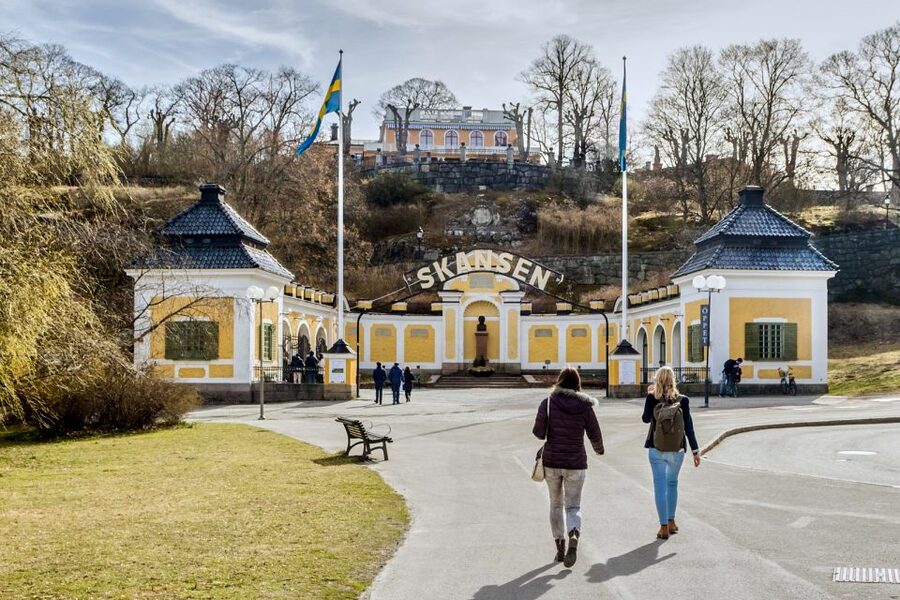
Skansen is at Djurgårdsslätten 49-51, 115 21 Stockholm, Sweden.
How much does admission cost?
The supplied price is $27 per person.
How long is the ticket valid?
The admission ticket is valid for one day from first activation.
Can I arrive at a different time from my selected timeslot?
Yes. The selected timeslot is only a reference, and you can arrive at any time during the opening hours.
Is food included with admission?
No. Food and drinks are not included in the admission ticket.
Is Skansen wheelchair accessible?
Yes, the activity is listed as wheelchair accessible. The grounds are hilly in places, so route planning may still be useful.
How many historic buildings can I see?
Skansen has as many as 150 historically interesting houses and farmsteads from different parts of Sweden.
What animals are at Skansen?
The animal collection includes Nordic wild animals, rare breeds, domestic animals, and exotic creatures. Examples include moose, lynx, brown bears, wolverines, reindeer, seals, cats, rabbits, and guinea pigs.
Is the aquarium included?
The supplied information does not clearly confirm one single policy for every ticket. Some accounts describe a separate fee, so check the current admission conditions before visiting.
Can I cancel my booking?
Yes. You can cancel up to 24 hours in advance for a full refund.
Just added in Stockholm
- Wolf and Wildlife Tracking in Sweden★ 5.0 · 1 review
- World War II Stockholm Old Town Walking Tour and Army Museum★ 4.6 · 4 reviews
- Viking History Half-Day Tour from Stockholm★ 5.0 · 1 review
- Stockholm Old Town Walking Tour + Archipelago Cruise★ 5.0 · 1 review
- Wine tasting in Old Town Stockholm★ 5.0 · 1 review
- Wolf and Wildlife Tracking in Sweden★ 5.0 · 9 reviews
- Scandinavian Art, Architecture and Design Tour in Stockholm★ 4.5 · 11 reviews
- Voyage of the Vikings: Guided Exploration Through Sweden’s Past★ 5.0 · 2 reviews
Swedish Museums, compared.

Stockholm Pass: Save up to 50% – Includes Vasa Museum Ticket
Read our review →


Skip the Line: Disgusting Food Museum Entrance Ticket
Read our review →

Vasa Museum Guided Tour, Including Ticket & Guide
Read our review →

Browse the lists this tour appears in