

Review · SWEDISH MUSEUMS
Stockholm: Nobel Prize Museum and Exhibition Entry Ticket
Great discoveries fit inside small rooms. At Stockholm’s Nobel Prize Museum, scientists, authors, and freedom fighters come to life through films, audio stories, personal objects, and guided tours. I like its easy location on Stortorget in Gamla Stan, and I like that the ticket includes both the permanent displays and special exhibitions.
I also appreciate the choice between a short guided tour and a slower self-guided visit. The main drawback is size: you may expect a grand museum and find a compact one instead. At $18 per person, the value depends on your interest in Nobel history and how much time you spend with the displays.
In This Review
- Key points to know before you go
- Finding the Nobel Prize Museum in Gamla Stan
- Alfred Nobel and the idea behind the prizes
- The permanent exhibition and its personal objects
- Why the audio and video material matters
- The included guided tour
- How long should you stay?
- The museum shop and the chocolate Nobel medal
- Bistro Nobel and planning your break
- Is $18 good value?
- Who will enjoy this museum most?
- Practical visit plan
- Should you book the Nobel Prize Museum?
- FAQ
- Where is the Nobel Prize Museum located?
- What does the admission ticket include?
- Are guided tours included?
- How long is the museum visit?
- Is the museum wheelchair accessible?
- Is Bistro Nobel open?
- Can I cancel my booking?
Key points to know before you go
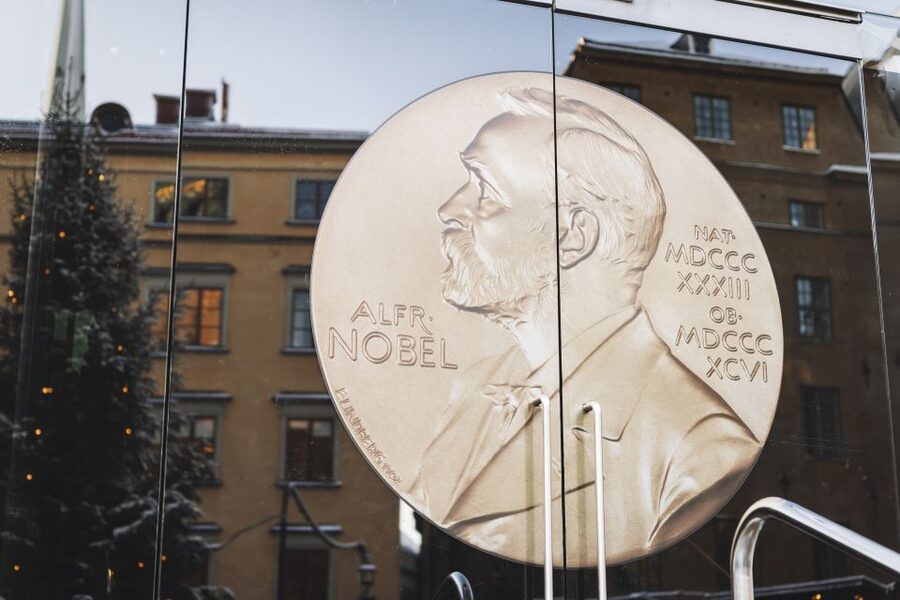
- More than 200 laureate artifacts: Personal objects reveal the people behind major discoveries, books, and peace efforts.
- Daily guided tours included: Ask at the entrance about English and Swedish tour times. A roughly 30-minute orientation can sharpen the rest of your visit.
- Excellent audio and video material: Multimedia stories add life to exhibits that might otherwise feel text-heavy.
- Easy Old Town stop: The museum sits directly on Stortorget, making it simple to fit between other Gamla Stan sights.
- Allow one to three hours: A quick look may take 30 minutes, while careful reading and video watching can stretch the visit to three hours.
- Nobel chocolate medal in the shop: The famous edible medal makes a playful souvenir, especially for families.
Finding the Nobel Prize Museum in Gamla Stan
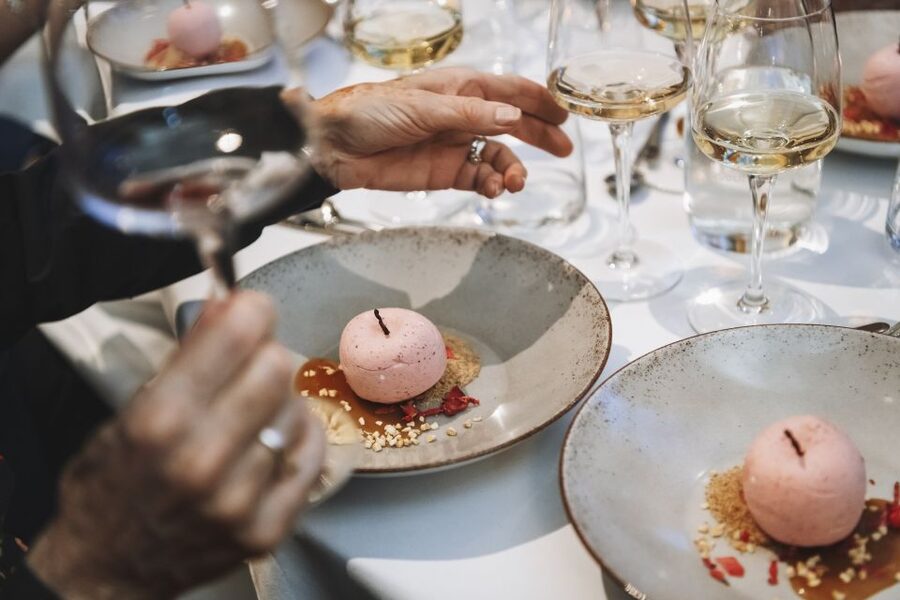
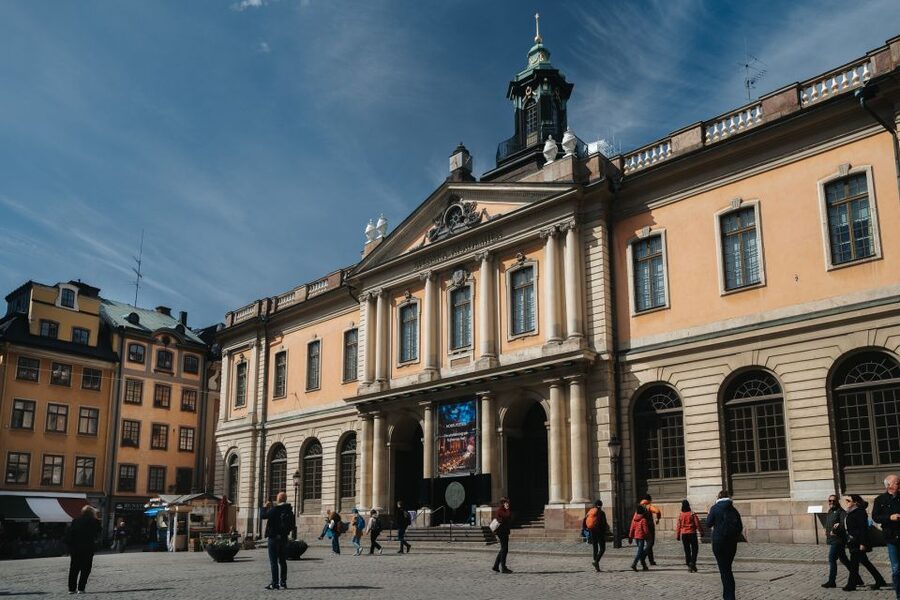
The museum is on Stortorget, the central square of Stockholm’s Old Town. That location matters. You do not need to make a special cross-city trip for this experience, since it fits naturally into a walk through Gamla Stan.
I would plan to arrive with a little time to spare and locate the entrance before choosing your pace. The square is an easy meeting point, and the museum works well as a short cultural stop between Old Town streets, shops, and other nearby sights.
Your $18 ticket is valid for one day. That gives you room to attend a guided tour and then return to exhibits you want to examine more closely. The ticket also includes access to temporary exhibitions and the museum’s regular displays.
The museum is wheelchair accessible. English is available, and daily guided tours in English and Swedish are included in the admission. Ask the entrance staff for the day’s schedule, since the starting times can affect how you organize the visit.
More Museum Tours in Stockholm:
- Stockholm: Skansen Open-Air Museum Admission Ticket
★ 4.5 · 3,427 reviews - Stockholm Pass: Save up to 50% – Includes Vasa Museum Ticket
★ 4.1 · 2,392 reviews - Stockholm: Fotografiska Museum Entrance Ticket
★ 4.5 · 702 reviews
Alfred Nobel and the idea behind the prizes
The first part of a visit helps explain Alfred Nobel and the origin of the awards. You learn how the prizes developed and how the award process works, including information about criteria and nominations.
That background is useful because the Nobel Prize can otherwise feel like a familiar name without much context. The museum gives you a clearer sense of how a prize becomes an international honor and why the laureates are remembered.
The displays do not focus only on famous discoveries. They also show writers, peace advocates, and people whose work affected society in less visible ways. This wider view keeps the museum from becoming a simple wall of scientific achievements.
I found the personal side especially worthwhile. A donated object can say something about a person’s habits, work, or life after receiving the prize. The museum’s collection contains more than 200 objects connected with laureates, covering revolutionary inventions, courageous peace efforts, new ideas, and important literature.
The permanent exhibition and its personal objects
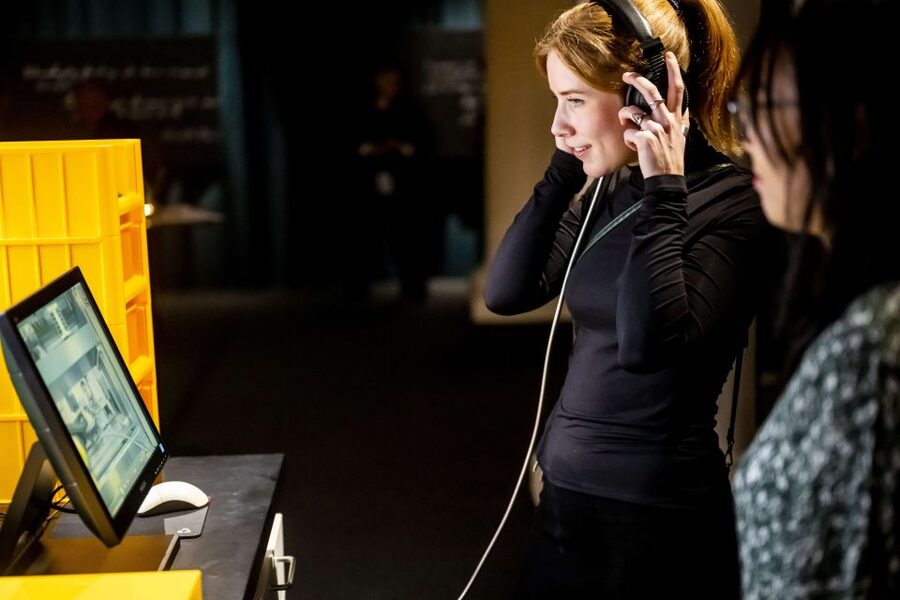
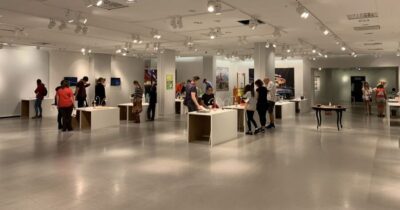
The permanent exhibition, These Things Changed the World, gathers a large selection of artifacts from the museum collection. The displays are not simply about what a laureate achieved. They also ask you to consider the person behind the achievement.
You may see personal belongings rather than a full technical explanation of every invention. That is an important point to keep in mind. If you want detailed accounts of scientific breakthroughs, the museum may feel light in places. If you enjoy biography and human stories, the objects add warmth and curiosity.
The exhibits cover a wide range of subjects, so you can move from science to literature to peace work without staying in one narrow section. The result is a broad introduction rather than an exhaustive study of every Nobel category.
I recommend reading the labels attached to the objects instead of rushing past them. Small details often explain why an item matters. The object itself may look ordinary, but its connection to a laureate gives it meaning.
This format also suits families and mixed-interest groups. A teenager who has little patience for long historical panels may respond better to an artifact, short film, or interactive element. Younger children may find some hands-on displays appealing, though a few family-oriented components have shown signs of wear and may need attention.
Why the audio and video material matters
The museum uses video, audio, and other multimedia to tell its stories. This is one of its strongest features. Audio accounts accompanying the exhibits can make the information easier to follow, especially when you are learning about a person or subject for the first time.
The documentaries add another layer. They give you a chance to hear and see more than a label can provide, while also breaking up the reading. If you have limited time, choose a few videos that interest you rather than trying to watch every piece.
The media also helps the museum feel less static. A collection of objects can become tiring if every display asks you to stand and read. Short films and audio stories provide a change of pace and help connect the objects to wider events and ideas.
I would not treat the museum as a quick photo stop. You can walk through in about 30 minutes, but that only gives you a brief taste. A more satisfying visit takes one to two hours. If you watch the videos and read the descriptions carefully, allow up to three hours.
More things to do in Stockholm:
- Stockholm: City Archipelago Sightseeing Cruise with Guide
★ 4.3 · 10,798 reviews - Stockholm: Archipelago Boat Tour
★ 4.4 · 3,110 reviews - Stockholm: Highlights Boat Tour
★ 4.3 · 2,542 reviews - Stockholm: Ghost Walk and Historical Tour
★ 4.7 · 2,206 reviews
The included guided tour
The daily guided tour is a smart part of the admission. It usually lasts around 30 minutes, and an English session can give you a useful orientation before you explore alone.
Ask the entrance staff about the next English tour as soon as you arrive. One English session has been scheduled at 1:15 p.m., though times can change, so you should confirm on the day rather than plan around a fixed hour.
A guide can connect separate objects and explain facts that you might miss during a self-guided walk. William praised his English guide’s clear explanations, while other visitors found the short introduction useful before spending more time with the collection.
The museum’s guide Ella has also received praise for her enthusiasm and detail. Do not assume that a guided visit replaces your own time in the galleries. The best plan is often to take the orientation, then revisit the displays that caught your attention.
If no tour fits your schedule, the self-guided format works well. The museum is small enough to navigate without help, and the audio, films, and written material provide plenty of structure. You can move at your own pace, skip subjects that do not interest you, and linger with the laureates you already know.
How long should you stay?
The right length depends on your habits. A quick stop of 30 to 45 minutes can cover the main idea of the museum and a selection of artifacts. That may be enough if you are fitting it between other Old Town sights.
For a proper visit, I would set aside one to two hours. That gives you time for a guided tour, independent viewing, and several audio or video features without making the museum feel like a full-day commitment.
Three hours is possible if you read nearly everything and watch many of the films. The compact size is useful here. You are not facing a huge building where the final rooms require another burst of energy. Instead, you can make a deliberate choice about how much detail you want.
The small scale is both a benefit and a limitation. It makes the museum manageable for families and people with a tight schedule. It may disappoint you if you expect a large institution with extensive galleries on every Nobel category.
The museum shop and the chocolate Nobel medal
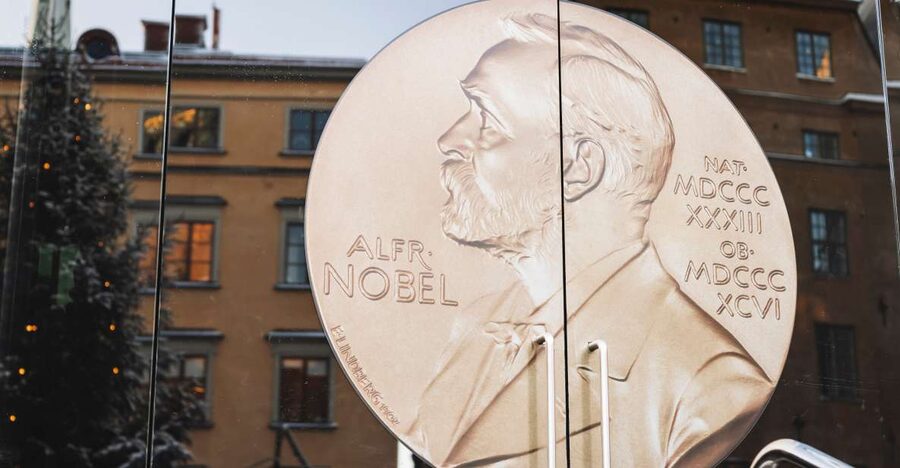
The shop offers books, gifts, and souvenirs connected with the Nobel Prize. It is worth a quick look even if you do not plan to buy anything, since the selection gives you another way to continue the subject after leaving.
The most memorable item is the chocolate Nobel Prize medal. It is a lighthearted souvenir and an easy gift. Children may enjoy the idea of taking home an award they can eat, while adults may prefer literature or a more lasting memento.
The shop also works well at the end of your visit. Once you have seen the objects and learned about the prizes, you can choose something tied to the museum rather than buying a generic Stockholm souvenir.
Bistro Nobel and planning your break
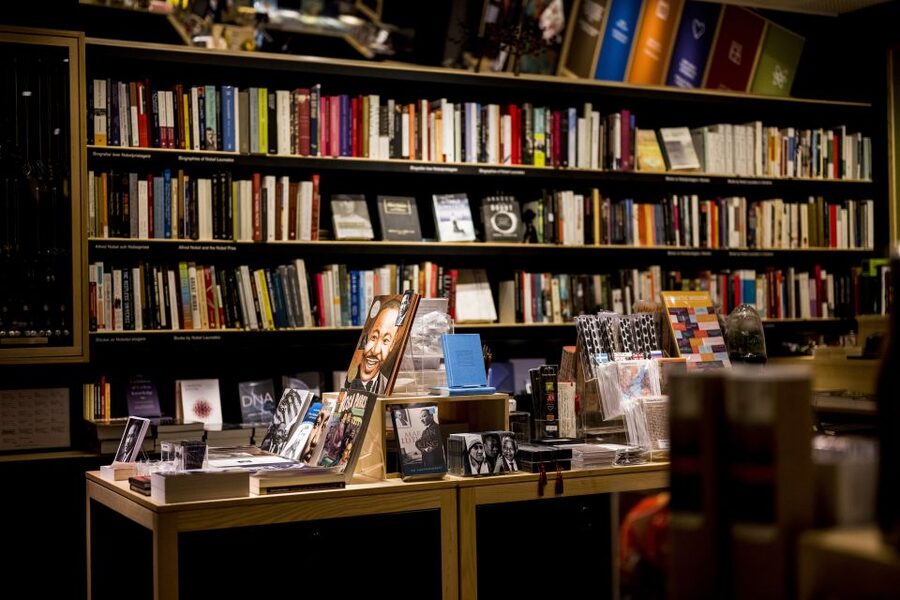
Bistro Nobel is currently closed during spring restoration work following earlier water damage. A previous closure had also continued from July 2024, so you should not count on eating at the museum without checking the latest status.
That closure does not affect the museum ticket, since food and drinks are not included. It does mean you should plan your meal elsewhere, particularly if you are visiting with children or scheduling the museum between fixed activities.
The Old Town location makes this easy. You can visit the museum as a stand-alone stop and then find food nearby, rather than trying to build your whole afternoon around the museum café.
Is $18 good value?
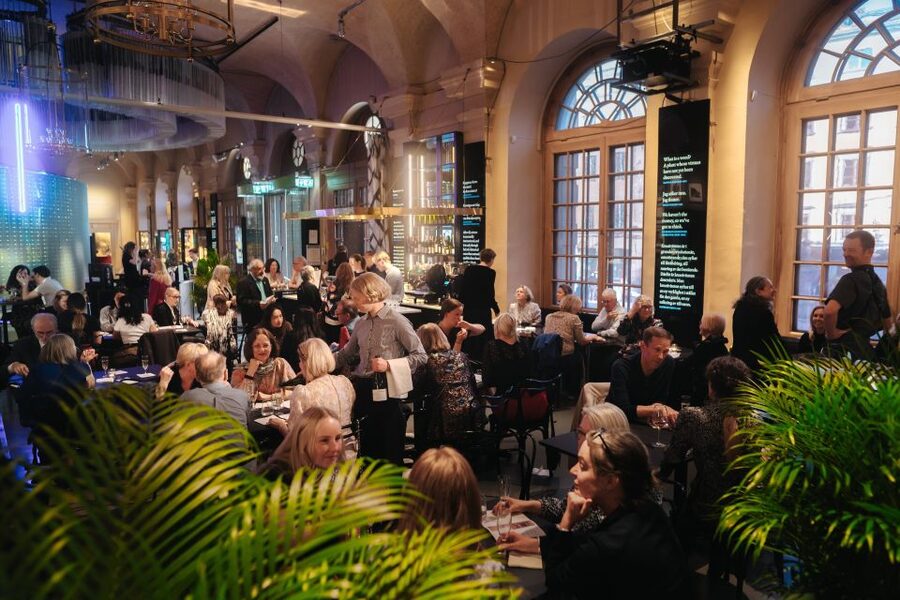
At $18, the ticket is reasonable if you are genuinely interested in the Nobel Prize, Alfred Nobel, world history, literature, science, or peace work. The admission includes the permanent exhibition, temporary displays, and guided tour access, so you are not paying extra for the English orientation.
The value is weaker if you only want a fast look at a famous Stockholm attraction. The museum is small, and several people have found it smaller than expected. You may finish quickly if you do not listen to the audio stories or read the background material.
I would judge the price by time and attention, not by floor area. A small museum can still justify admission when its displays are focused and well explained. Here, the audio, films, donated objects, and guided introduction give you several ways to approach the subject.
The flexible booking terms also help. You can reserve now and pay later, and cancellation is allowed up to 24 hours before the visit for a full refund. That is useful when you are arranging a Stockholm schedule around weather, transport, or other timed activities.
Who will enjoy this museum most?
I would recommend it to anyone curious about how major ideas change the world. You do not need to be a scientist or a specialist. The mix of biography, objects, film, and short explanations makes the subject approachable.
It is particularly good for:
- Families with older children or teenagers who enjoy hands-on material and short media features
- Readers, science fans, and people interested in peace work
- First-time visitors to Stockholm looking for a central cultural stop
- Anyone who prefers a museum that can be covered in one to two hours
- People who enjoy learning through personal stories rather than only dates and facts
You may want to lower your expectations if you are looking for a large scientific collection or detailed technical explanations of every breakthrough. The museum gives a broad overview of laureates and their lives. It does not try to recreate every laboratory or explain each invention in textbook detail.
Practical visit plan
Here is the approach I would use:
- Arrive at Stortorget and ask about the next English guided tour.
- Take the roughly 30-minute orientation if the time works.
- Walk through the permanent exhibition slowly, focusing on the artifacts that interest you.
- Listen to selected audio stories and watch a few documentaries.
- Check the temporary exhibition before leaving.
- Browse the shop, including the chocolate Nobel medal.
- Plan lunch or coffee elsewhere if Bistro Nobel remains closed.
This order gives you context first, then lets you explore independently. If you arrive when no English tour is starting, simply begin with the self-guided displays and use the multimedia material to set your own pace.
Should you book the Nobel Prize Museum?
Book it if you want an accessible introduction to Alfred Nobel, the prize system, and the people connected with the awards. The central location, included guided tours, strong audio stories, and unusual laureate artifacts make it easy to fit into a Gamla Stan day.
Skip it if you expect a large museum or a detailed technical account of scientific inventions. At $18, the visit makes the most sense when you allow at least an hour and take time with the multimedia displays.
My practical choice would be to book when the subject appeals to you, then ask about the English tour immediately on arrival. The museum is compact, but its best moments come from slowing down long enough to hear the small stories behind the famous prizes.
FAQ
Where is the Nobel Prize Museum located?
The museum is located at Stortorget in Stockholm’s Old Town, Gamla Stan.
What does the admission ticket include?
The ticket includes museum entry, access to the special exhibition, and the museum tour.
Are guided tours included?
Yes. Daily guided tours in English and Swedish are included in the ticket. Ask the entrance staff for the available times.
How long is the museum visit?
You can see the museum in about 30 minutes, but one to two hours is better if you want to read the displays and use the audio and video material. A detailed visit can take up to three hours.
Is the museum wheelchair accessible?
Yes. The Nobel Prize Museum is wheelchair accessible.
Is Bistro Nobel open?
Bistro Nobel is closed during spring restoration work following previous water damage. Food and drinks are not included with the museum ticket.
Can I cancel my booking?
Yes. You can cancel up to 24 hours in advance for a full refund. You can also reserve now and pay later.
Just added in Stockholm
- Wolf and Wildlife Tracking in Sweden★ 5.0 · 1 review
- World War II Stockholm Old Town Walking Tour and Army Museum★ 4.6 · 4 reviews
- Viking History Half-Day Tour from Stockholm★ 5.0 · 1 review
- Stockholm Old Town Walking Tour + Archipelago Cruise★ 5.0 · 1 review
- Wolf and Wildlife Tracking in Sweden★ 5.0 · 9 reviews
- Scandinavian Art, Architecture and Design Tour in Stockholm★ 4.5 · 11 reviews
- Wine tasting in Old Town Stockholm★ 5.0 · 1 review
- Voyage of the Vikings: Guided Exploration Through Sweden’s Past★ 5.0 · 2 reviews
Swedish Museums, compared.
Stockholm Pass: Save up to 50% – Includes Vasa Museum Ticket
Read our review →
Skip the Line: Disgusting Food Museum Entrance Ticket
Read our review →

Vasa Museum Guided Tour, Including Ticket & Guide
Read our review →
Browse the lists this tour appears in