Review · STOCKHOLM TOURS
Stockholm: Nordiska Museet Entry Ticket
Ancient objects tell ordinary stories. Stockholm’s Nordiska Museet makes Nordic culture feel personal through homes, clothing, food, beliefs, and the forces of nature. I especially like the grand building in Royal Djurgården and the broad Nordic Life exhibition. The main drawback is simple: the museum is large, so a quick visit may feel rushed.
This is a good choice when Stockholm weather turns gray or you want more than royal palaces and city views. You get a full day with the ticket, but there is no guide, and audio content is limited to selected exhibitions. Bring your own headphones if you plan to use it.
In This Review
- Key points to know before you go
- Entering the grand museum on Royal Djurgården
- Nordic Life connects home, family, nature, and climate
- The Arctic shows a region under pressure
- Table Settings turns meals into social history
- British; Ever so Nordic explores fashion and style
- The 1940s Flat gives history four walls
- Dollhouses shrink Nordic homes to a manageable scale
- Objects and audio give the visit its texture
- The shop and restaurant extend the visit
- Is the $19 ticket good value?
- Who should book Nordiska Museet?
- FAQ
- Where is Nordiska Museet located?
- How much does admission cost?
- How long is the ticket valid?
- Is a guide included?
- Is the museum wheelchair accessible?
- Are audio guides available?
- Should I bring headphones?
- Can I read the Nordic Life information on my phone?
- Can I pay with cash?
- Can I bring food, drinks, or large luggage?
- Should you book this museum ticket?
Key points to know before you go
- The Nordic Life exhibition covers daily life from the 16th century to today, with attention to homes, families, beliefs, nature, and climate.
- The Arctic exhibition and Table Settings are major highlights, offering different ways to understand Nordic culture.
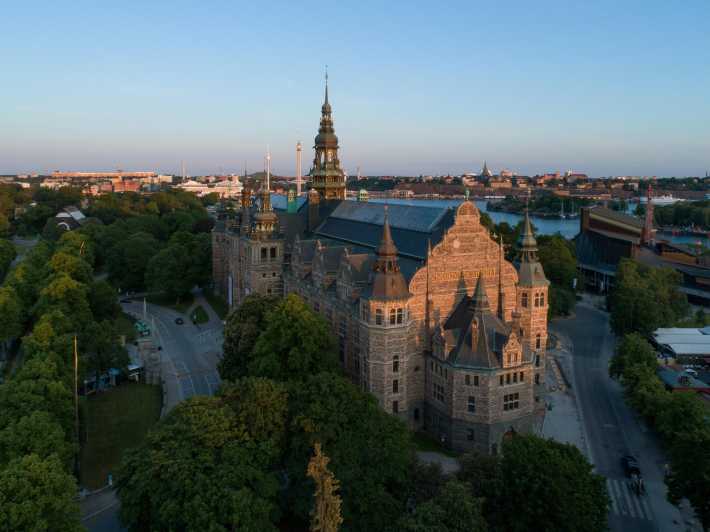
- The museum building is part of the experience, with an iconic setting in Royal Djurgården.
- A $19 ticket offers good value for a flexible museum day, especially if you take time with several exhibitions.
- The museum is cash-free and wheelchair accessible, but oversize luggage, large bags, food, and drinks are not allowed.
- Audio guides are available in Swedish and English in selected areas, and you need to bring your own headphones.
Entering the grand museum on Royal Djurgården
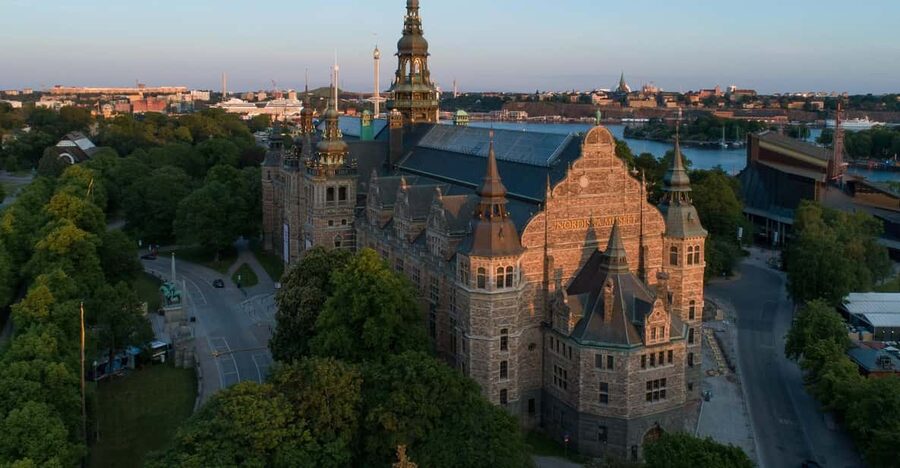
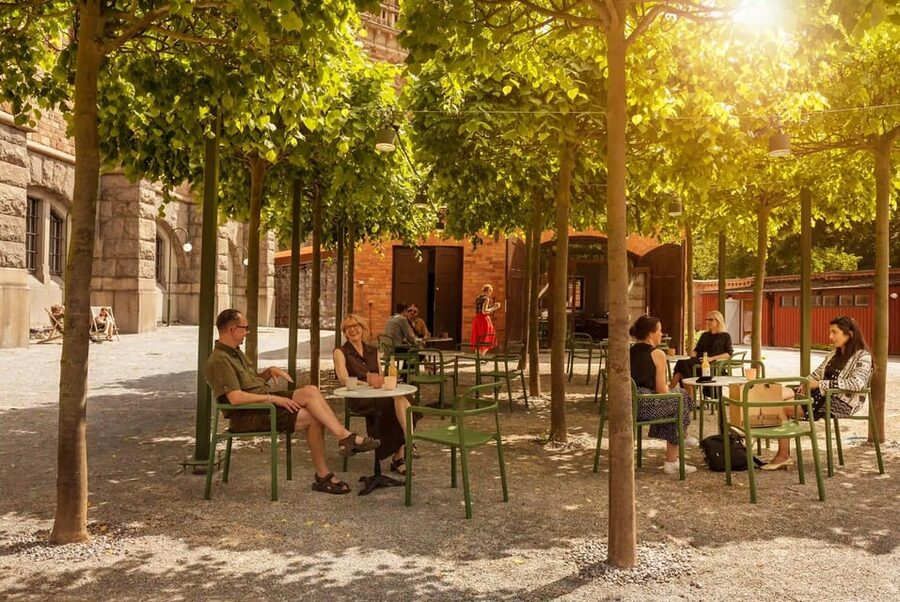
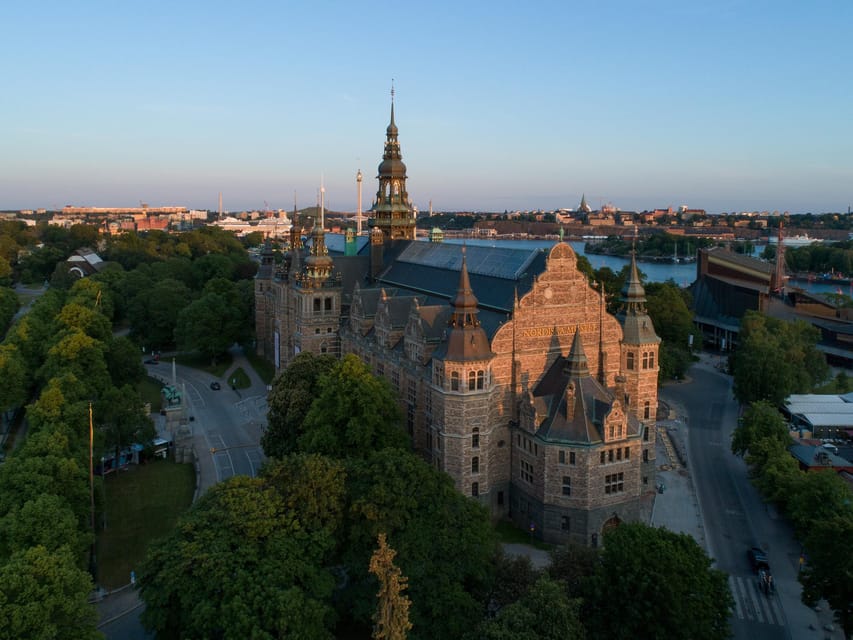
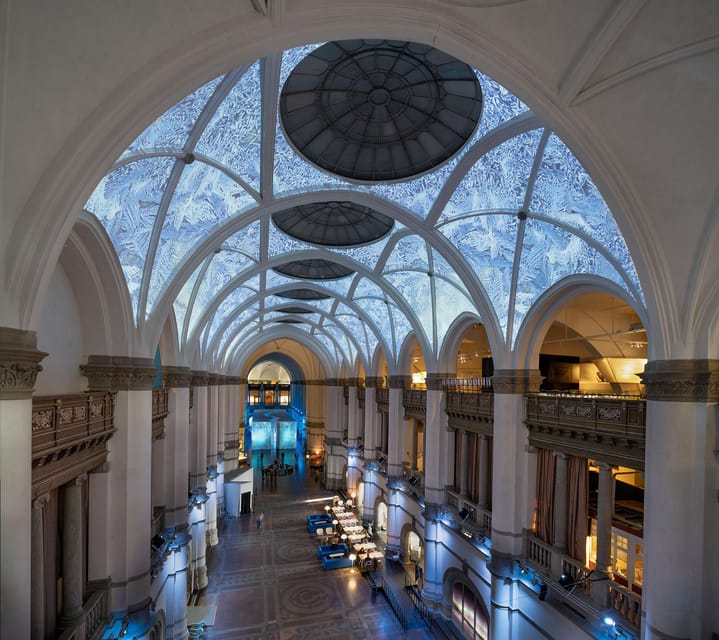
Nordiska Museet begins before you reach the galleries. Its striking building gives the museum a formal, almost castle-like presence in Royal Djurgården, one of Stockholm’s best areas for combining culture and fresh air. You show your ticket to staff at the front desk, then choose your own pace.
The ticket is valid for one day, which matters here. This is not a small room with a single display. It is a large museum covering people and customs across Sweden and the wider Nordic region, from the 16th century to the present. You can make a short visit, but the ticket makes more sense if you give yourself time to pause, read, and return to sections that catch your interest.
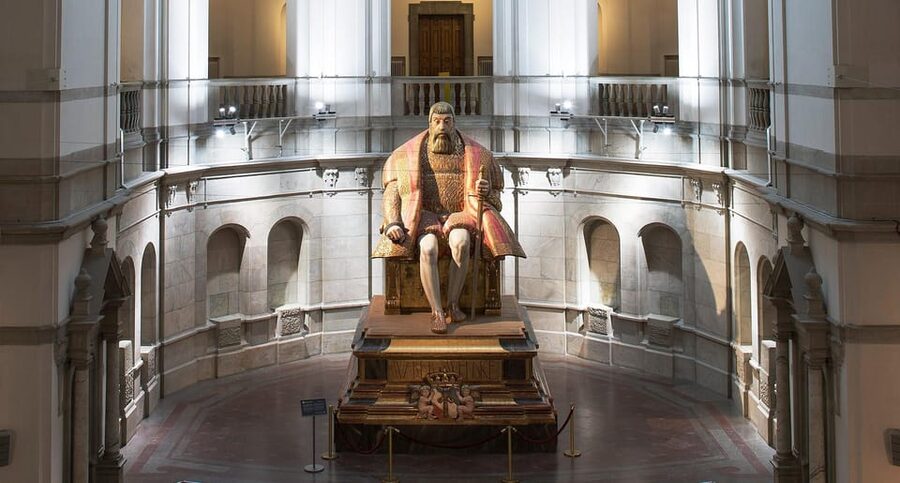
The building itself is a useful reminder that museums are not only containers for objects. Nordiska Museet presents Nordic life inside a setting that feels important and ceremonial, while the displays focus on ordinary matters such as meals, homes, clothing, family life, and work. That contrast gives the visit its character.
The museum is wheelchair accessible, a practical plus for anyone who needs step-free access. It is also cash-free. Bring a credit or debit card for purchases in the shop and meals or drinks in the restaurant.
More things to do in Stockholm:
- Stockholm: City Archipelago Sightseeing Cruise with Guide
★ 4.3 · 10,798 reviews - Stockholm: Skansen Open-Air Museum Admission Ticket
★ 4.5 · 3,427 reviews - Stockholm: Archipelago Boat Tour
★ 4.4 · 3,110 reviews
Nordic Life connects home, family, nature, and climate
The central experience is Nordic Life, described as the museum’s largest exhibition. Instead of presenting Nordic culture as a fixed set of national traits, it looks at how life has changed through contact between people, nature, and climate.
That approach gives you more to think about than a parade of costumes and old furniture. You see how surroundings and resources affect the way people live, how homes reflect family structures, and how beliefs shape daily decisions. The exhibition reaches from the 16th century to modern times, so you can follow change over a long span rather than seeing isolated historical snapshots.
I like this format because it puts familiar subjects at the center. A table, a room, a garment, or a household object can say plenty about the people who used it. You are not only learning dates. You are considering what people valued, what they could afford, how they organized home life, and how the Nordic climate influenced them.
Read the exhibition text carefully if you want the full argument. You can also access the texts and screens from your phone at guide.nordiskamuseet.se. This is particularly useful if you prefer reading at your own speed, or if the museum is busy and you want to move away from a display before finishing the explanation.
The scale can be both a strength and a weakness. There is enough material to reward a longer visit, but a visitor with only an hour may need to choose. I would start with Nordic Life, then select one or two smaller exhibitions instead of trying to absorb every room.
The Arctic shows a region under pressure
The Arctic exhibition brings nature and climate into sharper focus. Its subject is not just a distant northern setting. It presents the Arctic as a place shaped by people, weather, ice, and environmental change.
The mention of melting ice gives this section a present-day edge. It connects historical ways of living with a region undergoing major change. You can use this exhibition to consider how Nordic identity is tied to the natural world, and how quickly familiar conditions can shift.
This is one of the strongest choices if you want a focused section after the larger Nordic Life exhibition. It offers a different rhythm, moving away from broad social themes and toward the Arctic itself. The Finnish visitor rating the main exhibition and Arctic area highly points to the value of pairing these two sections.
Do not expect the Arctic display to replace a full account of every northern community or issue. The supplied details describe its focus on melting ice and the relationship between nature and people, but they do not promise a complete regional survey. Think of it as a concise, thought-provoking part of the museum rather than the whole visit.
Table Settings turns meals into social history
Table Settings examines feasts across five centuries. That makes it an easy exhibition to underestimate. Food and dining can seem less serious than politics or war, but tables reveal who ate together, how people marked important occasions, and what social habits changed over time.
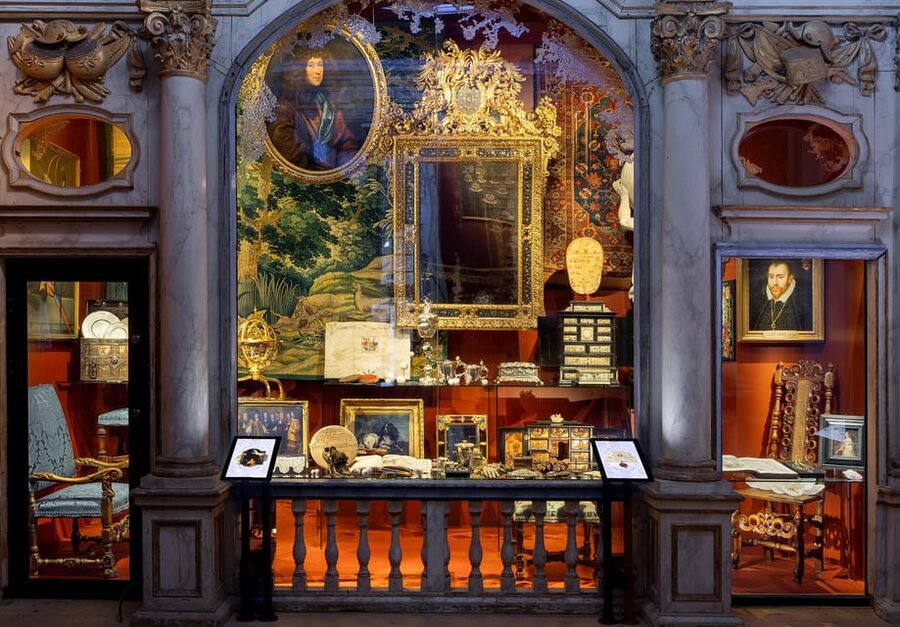
A table setting also gives you a direct way into the past. You can look at objects and imagine the practical act of preparing, serving, and sharing a meal. The exhibition helps explain how design, custom, celebration, and household life meet around food.
This is a good section for families or for anyone who prefers concrete objects to long historical explanations. You can likely take in the basic idea quickly, then spend longer with displays that interest you. It also works well after Nordic Life because it narrows the large themes of home and family to one familiar activity.
Food and drinks are not allowed in the museum galleries, so save your own snack for later. The on-site restaurant serves lunch courses every day, along with Swedish fika and drinks. That gives you a convenient break without treating the dining area as part of the exhibition itself.
A few more options to weigh up in Stockholm
- Stockholm Pass: Save up to 50% – Includes Vasa Museum Ticket
★ 4.1 · 2,392 reviews - Stockholm: Nobel Prize Museum and Exhibition Entry Ticket
★ 4.3 · 994 reviews - Stockholm: Avicii Experience Skip-the-Line Entrance Ticket
★ 4.8 · 763 reviews - Stockholm: Fotografiska Museum Entrance Ticket
★ 4.5 · 702 reviews
British; Ever so Nordic explores fashion and style
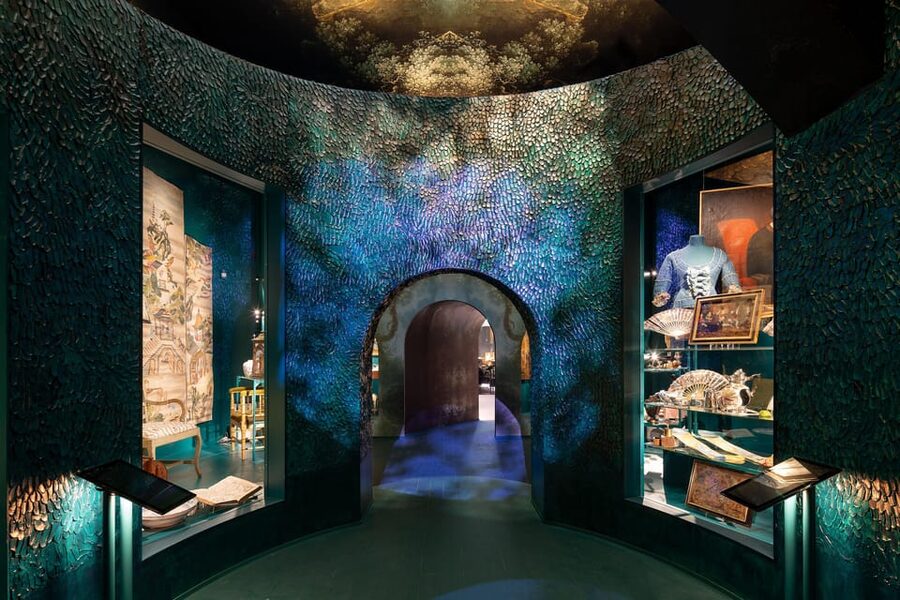
British; Ever so Nordic looks at Nordic fashion and lifestyle through British patterns. The title points to cultural exchange rather than strict national purity. Nordic life has never developed in isolation, and clothing and design provide a clear way to see outside influences becoming part of local taste.
This exhibition should appeal to you if you enjoy fashion, textiles, or design. It also adds variety to the visit. After the larger social themes of Nordic Life and the environmental focus of The Arctic, fashion gives you a more visual subject.
The display is especially useful for anyone who wants to question the idea that a culture can be summed up by a single style. Patterns, clothing, and lifestyle choices move across borders. The exhibition shows how those influences can be adapted and made Nordic in character.
Because the available information does not specify the full number of objects or the exhibition layout, I would treat this as a selected stop rather than plan your entire museum visit around it. Check how much time you have after the main exhibition and choose it if fashion and design are high on your list.
The 1940s Flat gives history four walls
The 1940s Flat recreates a home from 1947. A period home can communicate more than a row of labels because you see domestic life as a complete setting. Rooms, furnishings, and household arrangements help you picture how people lived rather than simply memorize what happened.
The date matters. A 1947 flat sits close to the postwar period, giving the display a clear historical frame. It lets you compare one home with the broader changes discussed in Nordic Life, especially ideas about families, homes, comfort, and everyday priorities.
This should be one of your first choices if you enjoy interiors or social history. It is also a helpful stop for children because a home is easier to understand than an abstract timeline. You can look at the space and ask practical questions: What did people need? How did they organize rooms? Which parts of daily life were shared?
The exhibit is a single period home, not a full account of every Nordic household. Its value comes from the close view. Use it as one carefully chosen example within the museum’s larger story.
Dollhouses shrink Nordic homes to a manageable scale
Dollhouses presents eight homes in miniature. The small scale changes the way you look. Instead of walking through a full room, you can study a whole home at once and notice how space, furniture, and domestic routines fit together.
This is another strong choice for families, but adults interested in architecture and interiors may enjoy it just as much. Miniature rooms make comparison easy. You can move from one home to another and think about how household design changes across different settings.
The exhibit also offers a welcome pause from larger displays. Museums can ask for a lot of attention, especially when you are reading historical text. Dollhouses gives you a visual subject that can be understood quickly while still offering details for a closer look.
The description confirms eight miniature homes, but it does not provide their dates or styles. I would avoid inventing a story for each one and instead focus on the comparisons the displays allow you to make.
Objects and audio give the visit its texture
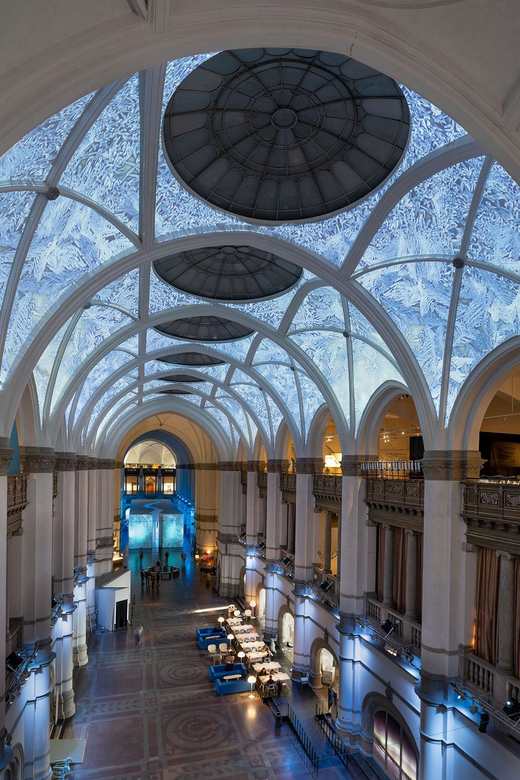
Nordiska Museet works best when you take time with actual objects. A real household item can make a broad theme feel immediate. You may find yourself paying more attention to a simple piece of furniture, clothing, or tableware than to a long paragraph about social change.
Selected exhibitions offer audio guides in Swedish and English. This is useful if you prefer spoken explanation, but it is not a museum-wide guided tour. No guide is included with the ticket, so you should plan for a self-directed visit.
Bring your own headphones. That small detail can make the difference between using the audio material and skipping it. You can also read the Nordic Life exhibition texts and screens on your phone at guide.nordiskamuseet.se, which gives you a second way to explore without relying entirely on the audio guide.
The phone guide may be especially helpful for visitors who want to pause, translate, or revisit an idea. Just remember that phones and headphones can make a museum feel solitary. Look up from the screen often and give the objects your attention.
The shop and restaurant extend the visit
The museum shop sells everyday goods and crafts from Nordic countries. It is a better stop than a quick rack of generic souvenirs if you want something connected to regional design and daily use. The available information does not list individual products, so I would browse with an open mind rather than expect a particular brand or item.
The restaurant serves lunch courses every day. You can also order Swedish fika and drinks, making it possible to turn the museum into a longer outing rather than a short indoor stop.
Food and drinks are not permitted in the museum areas, and large bags and oversize luggage are not allowed. Plan accordingly. If you arrive with substantial luggage, this may not be the right attraction to visit before checking in or moving between transport connections.
Is the $19 ticket good value?
At $19 per person, the ticket is reasonably priced for a museum that can fill a day. The value depends on how you use it. If you only walk through the main exhibition, the cost may feel less attractive. If you visit Nordic Life, The Arctic, Table Settings, the 1940s Flat, Dollhouses, and British; Ever so Nordic, the price becomes easier to justify.
The one-day validity gives you flexibility, though the supplied details do not promise re-entry or specify how the day is structured. Check the available starting times when booking. You can reserve now and pay later, and cancellation is free up to 24 hours in advance, which helps if your Stockholm schedule is still moving.
The ticket covers entry only. There is no guide included, so the experience suits independent visitors who are comfortable reading displays and choosing their own route. The museum shop, restaurant, and optional audio material give you ways to add comfort, but those costs are separate.
An overall rating of 4.3 from 253 recorded ratings suggests a generally strong experience, though not every visitor will want a museum of this size or subject. The most praised elements in the supplied comments are the compact introduction to history, the large collection of cultural objects, and the main and Arctic exhibitions. Those are the safest priorities if you have limited time.
Who should book Nordiska Museet?
I would recommend this museum to you if you enjoy social history, interiors, design, clothing, food traditions, or the relationship between people and nature. It is also a sound rainy-day choice in Stockholm, especially if you want an attraction with enough material for a slow afternoon.
Families can choose visual sections such as Dollhouses and the 1940s Flat, then add shorter visits to Table Settings or The Arctic. Adults who enjoy cultural context should give Nordic Life the most time.
You may be less satisfied if you want a guided tour, a short highlight reel, or a tightly timed attraction. The museum asks you to make choices. Its size is part of the value, but also the main reason a rushed visit can disappoint.
FAQ
Where is Nordiska Museet located?
Nordiska Museet is in Royal Djurgården, Stockholm County, Sweden.
How much does admission cost?
The listed price is $19 per person.
How long is the ticket valid?
The ticket is valid for one day.
Is a guide included?
No. The ticket includes museum entry, but not a guide.
Is the museum wheelchair accessible?
Yes, the museum is wheelchair accessible.
Are audio guides available?
Audio guides are available in Swedish and English in selected exhibitions.
Should I bring headphones?
Yes. Bring your own headphones if you plan to use the audio guide.
Can I read the Nordic Life information on my phone?
Yes. Exhibition texts and screens for Nordic Life can be read at guide.nordiskamuseet.se.
Can I pay with cash?
No. The museum is cash-free. You can pay by credit or debit card in the shop and restaurant.
Can I bring food, drinks, or large luggage?
No. Food, drinks, oversize luggage, and large bags are not allowed.
Should you book this museum ticket?
Book it if you want a substantial look at Nordic daily life rather than a single famous object or short historical display. Start with Nordic Life, add The Arctic and Table Settings, then choose the 1940s Flat, Dollhouses, or British; Ever so Nordic according to your interests.
At $19, it offers solid value for a full museum day, and the flexible cancellation and pay-later options make planning easier. Just arrive ready to explore independently, carry a card instead of cash, and bring headphones. If that sounds like your kind of museum visit, Nordiska Museet is a worthwhile addition to Stockholm’s Djurgården.
Just added in Stockholm
- Wolf and Wildlife Tracking in Sweden★ 5.0 · 1 review
- World War II Stockholm Old Town Walking Tour and Army Museum★ 4.6 · 4 reviews
- Viking History Half-Day Tour from Stockholm★ 5.0 · 1 review
- Stockholm Old Town Walking Tour + Archipelago Cruise★ 5.0 · 1 review
- Scandinavian Art, Architecture and Design Tour in Stockholm★ 4.5 · 11 reviews
- Wine tasting in Old Town Stockholm★ 5.0 · 1 review
- Wolf and Wildlife Tracking in Sweden★ 5.0 · 9 reviews
- Voyage of the Vikings: Guided Exploration Through Sweden’s Past★ 5.0 · 2 reviews
Stockholm Tours, compared.

City Archipelago Sightseeing Cruise with Guide
Read our review →

Stockholm Pass: Save up to 50% – Includes Vasa Museum Ticket
Read our review →