

Review · WALKING TOURS IN STOCKHOLM
Walking Tour of Stockholm’s City Center
Stockholm rewards a good first walk. This two-hour public tour links Central Station with City Hall, Parliament, royal sights, parks, theaters, and major shopping streets, giving you a quick read on how central Stockholm fits together. I like the low price and the chance to hear about Swedish culture, daily life, and city planning from an English-speaking guide. I also like that the route ends near the Royal Dramatic Theatre, a useful spot for continuing your sightseeing.
The main caution is the route itself. One person found the opening stretch from the station to City Hall too long and dull, while others found the waterside sections pleasant and informative. Outdoor-only sightseeing also means you will see major buildings from the outside, but you will not enter City Hall, the opera, Parliament, or the Royal Dramatic Theatre.
In This Review
- Key points to know before you book
- What this Stockholm walk is really designed to do
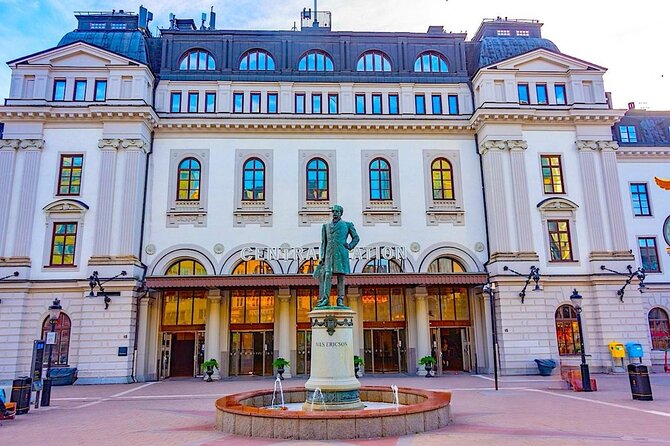
- Starting beside Central Station with Nils Ericson
- City Hall, the waterside route, and the first big view
- Drottninggatan and the everyday city
- Parliament and the symbols of Swedish government
- Gustav II Adolf and the Royal Swedish Opera
- Saint James’s Church and Berzelii Park
- The Royal Stables, Kungsträdgården, and Charles XII
- Finishing at the Royal Dramatic Theatre
- Guides, group size, and the quality of the explanation
- Is $3.55 good value?
- Practical details that affect your day
- Who should book this walking tour?
- FAQ
- How long is the Stockholm City Center walking tour?
- Where does the tour start?
- Where does the tour end?
- Is this a private tour?
- Are indoor admissions included?
- What is the cancellation policy?
Key points to know before you book
- A compact route through central Stockholm: The walk covers 12 stops in about two hours, from Centralplan 15 to Nybroplan.
- Strong guide-led introduction: Guides such as Stefan, Amon, Karl, Cim, and Sophia have been praised for clear explanations, stories, and friendly answers to questions.
- A public group, not a private walk: The group can include up to 27 people, though some departures have been small and comfortable.
- Excellent price, with tipping expected: The listed price is only $3.55 per person, and tips are not included.
- Mostly exterior sightseeing: You see the landmarks and their settings, but indoor admission is not part of the experience.
- Sound can affect the tour: City traffic and occasional microphone problems have made it hard for some people to hear the guide.
What this Stockholm walk is really designed to do
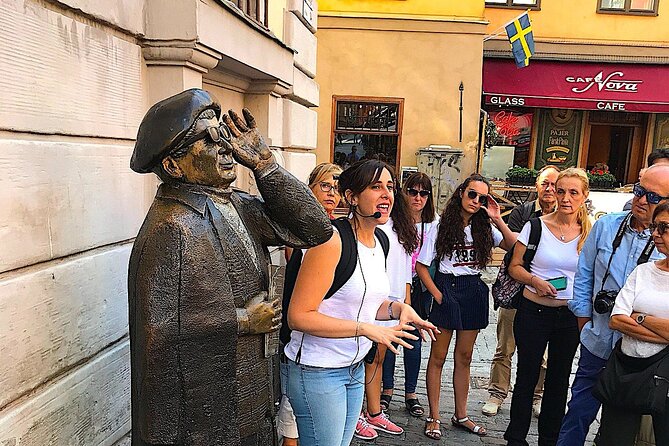
This is best understood as an orientation tour rather than a deep visit to any one monument. In two hours, you move through several districts and get a basic sense of Stockholm’s government, royal life, cultural institutions, public squares, and everyday streets.
That broad approach has real value on a first day. I like tours that help you place later visits on the map. After this walk, you will know where City Hall sits in relation to Central Station, how the central shopping area leads toward parks and theaters, and where to return for more time at the Royal Opera, Parliament, or the Royal Dramatic Theatre.
The tour focuses on contemporary central Stockholm, but its stops also reach back several centuries. You hear about Sweden’s kings, military past, railways, democracy, churches, science, and performing arts. The best guides appear to add anecdotes about Swedish habits and current life, so the walk is not just a parade of dates and façades.
It is a public tour with a maximum of 27 participants. That is large enough for the guide to need a clear voice and firm pacing, but still limited enough to avoid the feel of a huge city group. Some departures have been small, which makes it easier to ask questions and keep close to the guide.
More Walking Tours in Stockholm
- Stockholm: Ghost Walk and Historical Tour
★ 4.7 · 2,206 reviews - Walking Tour of Stockholm Old Town
★ 5.0 · 1,175 reviews - The Original Stockholm Ghost Walk and Historical Tour – Gamla Stan
★ 4.5 · 1,165 reviews
Starting beside Central Station with Nils Ericson
The meeting point is Centralplan 15, outside Stockholm Central Station, with an 11:00 a.m. start. This is a practical place to begin because it is near public transportation and easy to identify if you have just arrived by train.
The first stop is the statue of Nils Ericson, placed outside the station. Ericson was a Swedish engineer who helped modernize the country’s railways and canals. His bronze statue, made by John Börjeson in 1893, gives the guide an early chance to explain Sweden’s development through transport and engineering.
It is a short five-minute stop, so do not expect a long lecture. Its value is less about the statue itself and more about setting the tone: Stockholm’s modern identity grew from infrastructure, trade, public services, and practical design.
The starting point has one weakness. The route reportedly takes a substantial amount of time to reach the next major stop, City Hall. If you prefer a tour that begins with an immediate landmark, this opening may feel slow. On the other hand, the walk gives the guide room to discuss how central Stockholm is organized before the grander sights arrive.
City Hall, the waterside route, and the first big view
Stockholm City Hall is one of the city’s most recognizable buildings. Its red-brick walls and golden Three Crowns spire are easy to spot, and the building is linked to the Nobel Prize banquet held there each year.
The tour allows about 10 minutes at City Hall. You should expect an exterior explanation rather than a visit inside. The Blue Hall and Golden Hall are not part of this walk, and the tower visit is not included either. If those interiors are high on your list, you will need to arrange a separate visit.
The guide may use City Hall to explain Swedish public life, architecture, and ceremonial traditions. One departure took a mainly waterside route and also brought in nearby government and royal sights. That kind of route can be especially pleasant on a sunny day, though exposed paths may feel hot when the weather is warm.
This is also a place where sound matters. Stockholm’s traffic and open spaces can make a guide difficult to hear, and one person found an intermittent microphone problem frustrating. Stay close, avoid side conversations while the guide is speaking, and ask for repetition if needed.
Drottninggatan and the everyday city
Drottninggatan gives the tour a change of pace. This pedestrian shopping street runs from the direction of Gamla Stan toward Observatorielunden and is lined with shops, cafés, restaurants, historic buildings, and modern businesses.
The scheduled stop is about 10 minutes, but the street is useful because it shows central Stockholm as a place where people live, shop, meet, and commute. This is not a museum district. You get a glimpse of the ordinary city between the grand landmarks.
I like this kind of stop because it gives historical explanations a daily setting. A guide can point out how older architecture sits beside modern Swedish commerce and how the center functions beyond royal ceremonies and official buildings.
Still, Drottninggatan is not a dedicated shopping visit. You will not have time to browse properly during the tour. Mark down anything that catches your eye and return later if you want cafés, stores, or a slower walk.
A completely different kind of day:
- Stockholm: City Archipelago Sightseeing Cruise with Guide
★ 4.3 · 10,798 reviews - Stockholm: Skansen Open-Air Museum Admission Ticket
★ 4.5 · 3,427 reviews - Stockholm: Archipelago Boat Tour
★ 4.4 · 3,110 reviews - Stockholm: Highlights Boat Tour
★ 4.3 · 2,542 reviews
Parliament and the symbols of Swedish government
The route continues to Parliament House, or Riksdagshuset, on Helgeandsholmen Island. Built between 1897 and 1905, the building has a monumental neo-Gothic exterior designed by Aron Johansson.
The stop lasts about 15 minutes, making it one of the longer pauses. That gives the guide time to explain the Swedish Parliament and the role of the building in national government. You will see the exterior, but admission is not included.
This stop adds useful balance to the royal and military monuments. Stockholm is not only about kings and grand ceremonies. Parliament brings the conversation toward modern democracy and the institutions that shape Sweden today.
The island setting can make the stop feel more spacious than a typical city street. It also helps explain Stockholm’s geography, since the capital is spread across islands and waterways. You do not need a detailed map to benefit from this section. The guide’s position and route do much of the work.
Gustav II Adolf and the Royal Swedish Opera
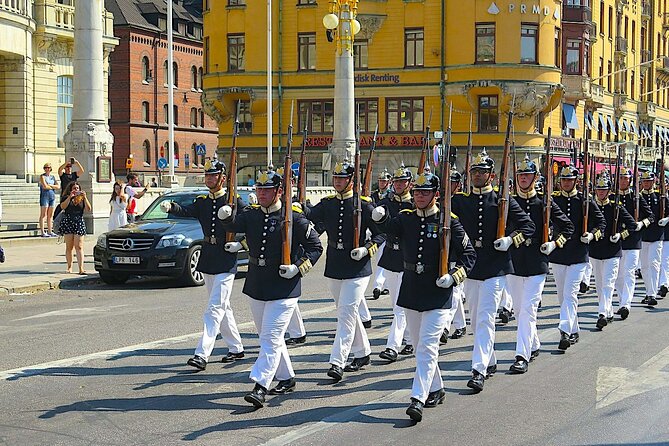
At Gustav Adolfs Torg, the statue of Gustav II Adolf recalls the Swedish king known as the Lion of the North. The statue was unveiled in 1796 and shows him in a commanding pose. The guide can use it to explain Sweden’s military role in European history and the Thirty Years’ War.
This is a short five-minute stop. It will appeal most if you enjoy connecting public monuments with political and military events. If you prefer architecture or local life, it may feel more like a quick historical footnote.
Nearby, the Royal Swedish Opera provides a stronger architectural moment. Sweden’s main opera institution began in 1773, while the current building opened in 1898. Its exterior blends neo-classical design with French Baroque influence.
The 10-minute stop is again outside only. Admission is not included, and the schedule does not allow time for a performance or interior tour. Even so, the opera house helps show how much cultural life is concentrated in central Stockholm.
Saint James’s Church and Berzelii Park
Sankt Jacobs kyrka, or Saint James’s Church, is close to Kungsträdgården. Its red façade combines Gothic and Renaissance elements, and the church dates back to the 1600s. The interior and organ are noted features, but this tour treats the church as an exterior stop, with admission listed as free.
The guide may connect Saint James’s dedication to the patron saint of pilgrims with the broader role of churches in Stockholm’s public life. The 10-minute pause is enough for a short explanation and photographs, not a full church visit.
Berzelii Park offers a quieter setting. Created in 1853, it is named for chemist Jöns Jacob Berzelius and includes greenery, statues, and a monument to him unveiled in 1858. The park lies near the Royal Dramatic Theatre and the Östermalm district.
The scheduled 15 minutes here is welcome. After several buildings and monuments, a park gives the group room to slow down. It also shows how Stockholm mixes formal city planning with small green spaces.
If you have mobility concerns, remember that this is still a two-hour walking experience. One person who enjoyed the tour still found it tiring, despite not walking constantly. The description says most people can participate, and service animals are allowed, but the tour is not presented as a specialized accessible route.
The Royal Stables, Kungsträdgården, and Charles XII
The Royal Stables, known as H.M. Konungens Hovstall, preserve Sweden’s royal equestrian traditions. The site houses royal carriages, ceremonial harnesses, and horses used for state occasions.
The tour allows about 10 minutes here, but there is no indoor stable visit included. Guided tours of the carriage museum and stables are separate experiences. That distinction matters because the stop is mainly about seeing the location and learning why it matters, not examining the carriages up close.
Kungsträdgården follows. The supplied description identifies this stop with a historic opera house, while the route also includes the park and its surrounding cultural sights. Because the wording is not perfectly clear, you should treat this as a guide-led look at the Kungsträdgården area rather than assume you will enter an opera venue.
The next 10-minute pause is at the Karl XII statue in Kungsträdgården. The square was established in 1854, and the statue of Charles XII was erected in 1868. It recalls the king’s military reputation and gives the guide another opening to discuss Sweden’s past as a European power.
This sequence has a lot of historical material in a short time. I would listen for the guide’s explanation of how the royal, cultural, and public spaces fit together, rather than trying to memorize every date.
Finishing at the Royal Dramatic Theatre
The final stop is the Royal Dramatic Theatre, or Dramaten, at Nybroplan. Sweden’s leading spoken-drama institution was founded in 1788 and moved into its Art Nouveau building in 1908.
The building has a strong connection to Swedish theater, including the early careers of performers such as Greta Garbo. The tour gives you about 10 minutes here and ends nearby.
That finish is useful. You are close to central cultural sights, and the guide can leave you with a clear idea of where to continue. Since no indoor admission is included, plan to return separately if you want a performance or interior access.
Guides, group size, and the quality of the explanation
The strongest part of this experience is the guide-led storytelling. Stefan has been praised for being prompt, warm, and willing to answer questions. Amon is described as entertaining and good at adding fun facts. Karl receives credit for clear explanations and strong command of questions, while Cim and Sophia are noted for friendliness and engaging delivery.
The guide quality can vary, as it does on any public walking tour. One person felt the commentary was dry and underdeveloped, while another found the experience among the weakest walking tours they had taken. You should not book this expecting a polished theatrical performance every time.
The positive pattern is clear, though. Good guides explain Swedish culture, city structure, local habits, and history in a way that feels alive rather than academic. One guide used an iPad to show images, but sunlight made the screen hard to see. The lesson is simple: the guide’s spoken explanation matters more than any visual aid.
Because the tour takes place outdoors, street noise is a genuine issue. The group may also need to move quickly between stops. Stay attentive, remain near the guide, and ask questions during natural pauses.
Is $3.55 good value?
At $3.55 per person, this is unusually inexpensive for Stockholm. The price buys roughly two hours with an English-speaking guide, a route through 12 central stops, and useful orientation for the rest of your stay.
The low price comes with limits. Tips are not included, and the guide appears to rely partly on voluntary gratuities. If you receive a clear, lively tour, plan to tip according to the quality and your budget.
The value is strongest for first-time visitors who want a quick overview before choosing which sights deserve more time. It is weaker for someone seeking museum entry, detailed architecture, a slow photography walk, or a focused tour of Gamla Stan.
The experience has been recommended by 92 percent of customers and carries a 4.7 rating from 26 reviews. That is a good sign, but the mixed comments about pacing, sound, and guide style are worth taking seriously.
Practical details that affect your day
The tour begins at 11:00 a.m. at Centralplan 15 outside Stockholm Central Station and usually ends near the Royal Dramatic Theatre at Nybroplan. The mobile ticket is convenient, and confirmation arrives at booking.
You should wear comfortable shoes and dress for the weather. The tour does not include indoor breaks or entry tickets, so rain, heat, and cold will shape how pleasant the walk feels.
The public group can have up to 27 participants. It is not private, though a smaller departure may feel more personal. Most people can participate, and service animals are allowed.
Free cancellation is available up to 24 hours before the start time for a full refund. Within 24 hours, cancellations and changes are not accepted for a refund. The tour also requires a minimum number of participants, so a cancellation for that reason may result in another date, another experience, or a full refund.
Who should book this walking tour?
I would choose this tour if you are new to Stockholm and want a fast introduction to central landmarks, Swedish government, royal symbols, cultural institutions, and everyday city life. It is also a smart choice if your budget is tight and you would rather spend your money on a museum or meal.
You will get the most from it during the first days of your stay. The guide’s suggestions can help you decide where to return, and the end point near Dramaten leaves you well placed for more central sightseeing.
I would hesitate if you want a quiet, highly polished walk with steady audio and a tightly designed route. The opening section may feel too long, and some stops are brief exterior explanations. You should also choose another experience if entering City Hall, Parliament, the Opera, or the Royal Dramatic Theatre is your main goal.
For $3.55, the risk is small. Book it for orientation and stories, not for deep access. Stay close to the guide, listen for local detail, and treat the walk as a useful first sketch of Stockholm rather than the whole picture.
FAQ
How long is the Stockholm City Center walking tour?
The tour lasts approximately two hours.
Where does the tour start?
It starts at Centralplan 15, 111 20 Stockholm, outside Stockholm Central Station.
Where does the tour end?
It usually ends near the Royal Dramatic Theatre, Dramaten, at Nybroplan, 111 47 Stockholm.
Is this a private tour?
No. It is a public walking tour with other participants, and the maximum group size is 27 people.
Are indoor admissions included?
No. The tour is focused on outdoor sightseeing. Admission to places such as Parliament, the Royal Swedish Opera, and the Royal Dramatic Theatre is not included.
What is the cancellation policy?
You can cancel at least 24 hours before the local start time for a full refund. Cancellations or changes made within 24 hours are not refundable.
Just added in Stockholm
- Wolf and Wildlife Tracking in Sweden★ 5.0 · 1 review
- World War II Stockholm Old Town Walking Tour and Army Museum★ 4.6 · 4 reviews
- Viking History Half-Day Tour from Stockholm★ 5.0 · 1 review
- Stockholm Old Town Walking Tour + Archipelago Cruise★ 5.0 · 1 review
- Wine tasting in Old Town Stockholm★ 5.0 · 1 review
- Wolf and Wildlife Tracking in Sweden★ 5.0 · 9 reviews
- Scandinavian Art, Architecture and Design Tour in Stockholm★ 4.5 · 11 reviews
- Private Tour: Swedish History Day Trip to World Heritage Candidate Markim-Orkesta from Stockholm★ 5.0 · 8 reviews
Walking Tours in Stockholm, compared.
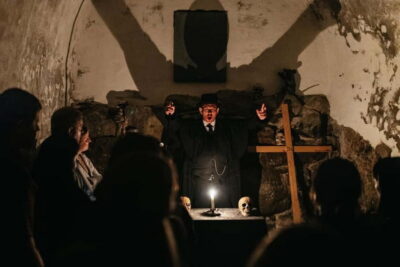
The Original Stockholm Ghost Walk and Historical Tour – Gamla Stan
Read our review →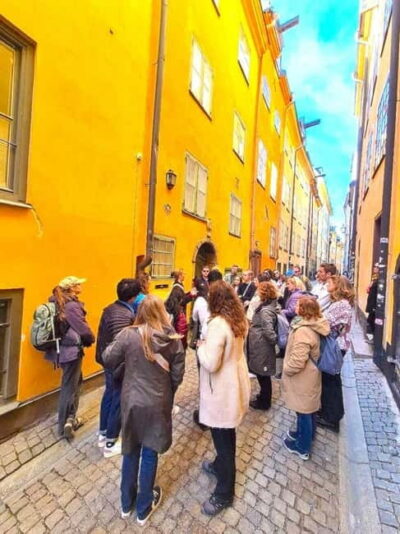
Best of Stockholm Walking Tour-3 Hours, Small Group max 10 people
Read our review →

Walking Tour of Stockholm’s Old Town, Gamla Stan
Read our review →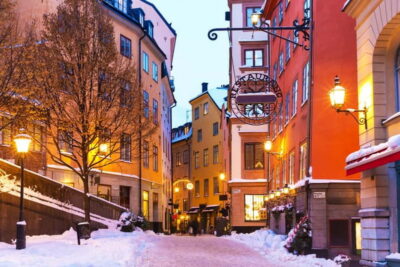
Browse the lists this tour appears in