
Review · VIKING HISTORY TOURS
Viking History Small Group Tour from Stockholm: Half Day Including Sigtuna
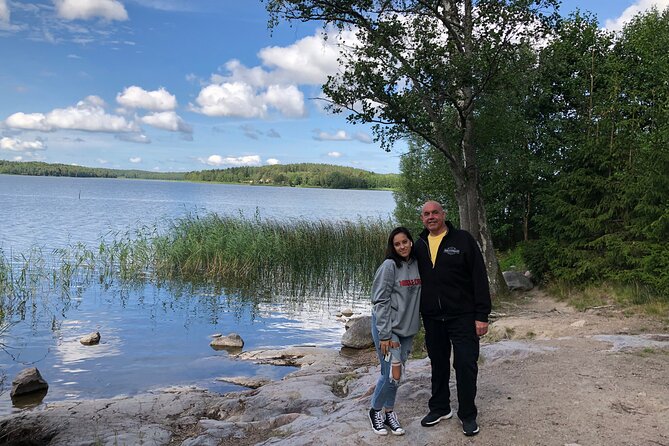
The Viking age begins outside Stockholm. I like the way this half-day outing leaves the city quickly and uses real sites, not just museum displays, to explain Sweden’s early past. I also like the small-group format, which makes it easier to ask questions and move between the graves, rune stones, parliament site, and Sigtuna. The main drawback is time: Sigtuna gets roughly 40 minutes, including lunch, so you may wish for a longer visit.
You’ll ride in a comfortable car or minivan through the countryside north of Stockholm, with the vehicle size based on the group. Guides such as Calle, Carl, Gabriel, Erik, Emma, and Olof have been praised for clear explanations, humor, and enthusiasm. Still, the experience can depend on the individual guide, and one or two past tours felt less organized or too opinionated.
In This Review
- Key points to know before booking
- Why this tour works for Viking history
- Broby Bro and the story of Estrid
- Jarlabanke’s rune stones and Viking roads
- Arkils tingstad, where decisions were made
- Sigtuna in 40 minutes
- The ride from Stockholm and the small-group advantage
- What the guides add to the day
- Price, timing, and the value question
- Who should book this Viking tour?
- Should you book it?
- FAQ
- How long is the Viking history tour from Stockholm?
- What time does the tour start?
- Is hotel pickup included?
- Can cruise passengers join the tour?
- Is lunch included?
- How many people can join the tour?
- Is the tour suitable for children?
- What happens if the weather is poor?
Key points to know before booking
- See Viking sites in the countryside: Visit Broby Bro’s excavated grave field, Jarlabanke’s rune stones, and Arkils tingstad, a former Viking assembly site.
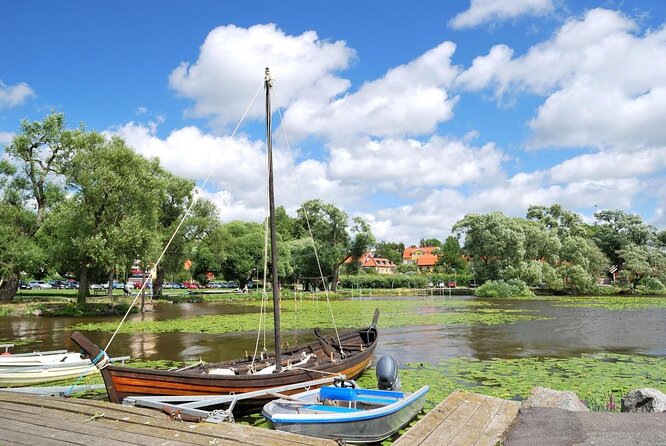
- Walk through Sweden’s oldest city: Sigtuna dates to AD 970 and includes an old main street lined with attractive 18th-century houses.
- Expect a genuinely small group: Some departures have had only two or four people, while the maximum is 25.
- Allow for easy outdoor walking: The stops involve walking over historic ground, so comfortable shoes are important.
- Lunch is not included: You get a lunch break in Sigtuna, but you pay for your own food.
- Check your pickup address carefully: Central hotels and some cruise ports are covered, but Nynäshamn is not.
Why this tour works for Viking history
Stockholm is full of grand buildings, water views, and polished museums. This trip gives you a different Sweden. Within about 30 minutes, the city gives way to farm country and open roads, and the subject shifts from royal palaces to burial customs, family memorials, roads, bridges, and local power.
That setting matters. Viking history is easier to understand when you are standing near the places where people lived, buried relatives, marked property, and gathered to make decisions. You are not simply looking at objects behind glass. You are connecting runic writing and burial traditions to the land around you.
The guide provides the thread tying the stops together. A good guide will explain what the sites can tell us, while also sorting fact from popular Viking fantasy. One especially useful part of the experience is the discussion of runestones, including how they recorded family connections and commemorated people who had died.
The small group adds real value. With four people in the vehicle, movement between stops is quick, and questions do not disappear into a crowd. The trade-off is that the tour may feel less formal than a large city excursion. Most guides appear to be warm and well prepared, but the tone can vary. If you prefer a carefully scripted presentation, this may feel informal.
More History Tours in Stockholm
- Stockholm: Ghost Walk and Historical Tour
★ 4.7 · 2,206 reviews - The Original Stockholm Ghost Walk and Historical Tour – Gamla Stan
★ 4.5 · 1,165 reviews - Stockholm: Old Town Historical Walking Tour
★ 4.9 · 344 reviews
Broby Bro and the story of Estrid
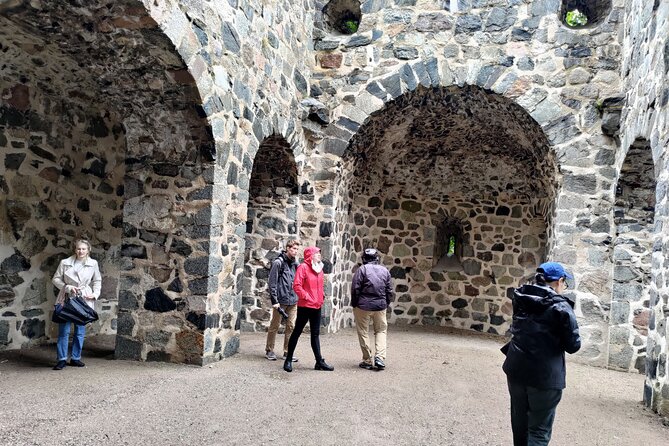
The first major stop is Broby Bro, reached through Såstaholms allé. This is a well-excavated Viking burial field, and the guide explains how people in the region buried their dead and thought about the afterlife.
The site also introduces Estrid, described as an aristocratic Viking woman from the Stockholm area. Her story gives the tour a human focus. Instead of treating the Viking age as a parade of warriors and ships, the guide can show how women, family status, inheritance, and local connections shaped society.
You should expect about 40 minutes here. That is enough for an introduction and a look at the site, but it is not a long archaeological visit. Wear shoes suitable for walking outdoors, since the tour description specifically warns that there is a fair amount of walking across the stops.
This is one of the better parts of the outing for anyone who wants more than battlefield stories. Burial sites reveal beliefs, social rank, and family structure. The guide’s explanation is what makes the ground meaningful, so listen closely and ask questions while you have the chance.
Jarlabanke’s rune stones and Viking roads
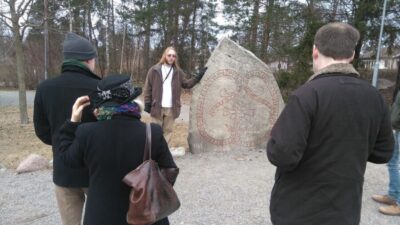
At Täby, the tour continues to Jarlabanke’s rune stone bridge. Here the focus shifts from death and burial to public statements, travel, and power.
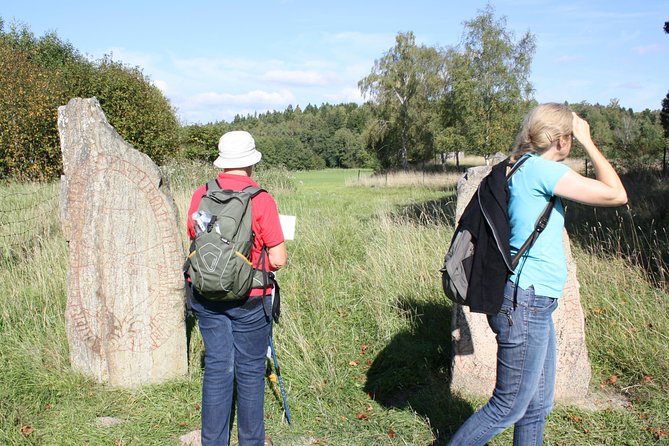
Jarlabanke is presented as a major Viking lord and an exceptionally wealthy figure. His runestones and bridge help explain how powerful families advertised their influence. The guide also discusses the roads and bridges that linked communities across Sweden.
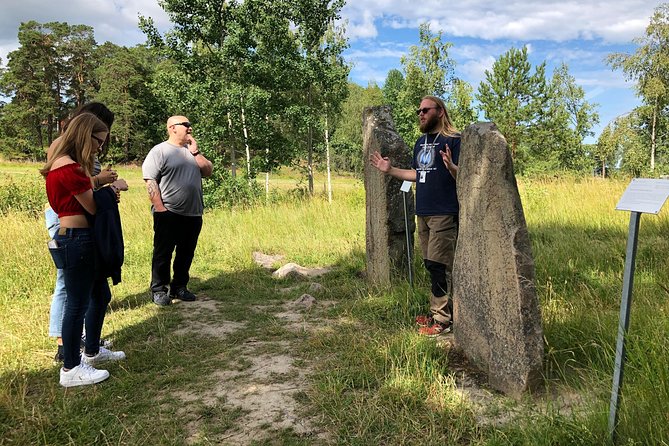
Runestones are especially satisfying when you see them in place. Their inscriptions were not private notes. They were public messages, cut into stone for family remembrance, claims of status, and statements about who had built or supported something. You can begin to see how writing worked in a society that left relatively few written records.
The stop lasts around 20 minutes, making it one of the shortest visits. That is enough for a focused explanation, but not enough for a slow study of every inscription. If runic writing is your main interest, pay attention from the start and ask the guide to explain the symbols and family links clearly.
Arkils tingstad, where decisions were made
The next stop is Arkils tingstad, described as a Viking parliament or assembly site. The purpose here is to picture Viking men gathering to discuss serious matters and make decisions.
This stop adds an important piece to the usual Viking picture. The period was not only about raiding and kings. Communities also needed meetings, laws, agreements, and people with enough authority to settle disputes. Arkils tingstad helps you think about how local government may have worked before Sweden became a centralized nation.
The visit is scheduled for about 40 minutes. A strong guide can make an open or simple site feel alive by explaining who gathered there, what decisions might have been made, and how local authority was organized.
Your experience here will depend heavily on the guide’s storytelling. Calle has been praised for creating a relaxed setting where questions were welcome. Other feedback points to the importance of guide style, with one visitor finding a guide too abrupt and another uncomfortable with political comments. The company responded to those concerns, but it is still reasonable to expect a respectful, history-focused conversation.
More Viking history tours:
- Entrance ticket to The Viking Museum
★ 4.0 · 301 reviews - Viking History, Runes & Countryside 9h Tour to Sigtuna & Uppsala
★ 4.5 · 283 reviews - Viking History and Swedish Countryside Tour to Sigtuna & Uppsala
★ 4.5 · 162 reviews - From Stockholm: Uppsala and Sigtuna Viking Sites Tour
★ 4.7 · 157 reviews
Sigtuna in 40 minutes
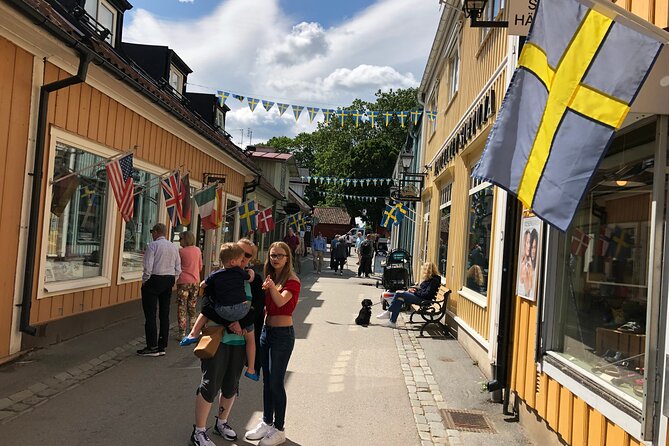
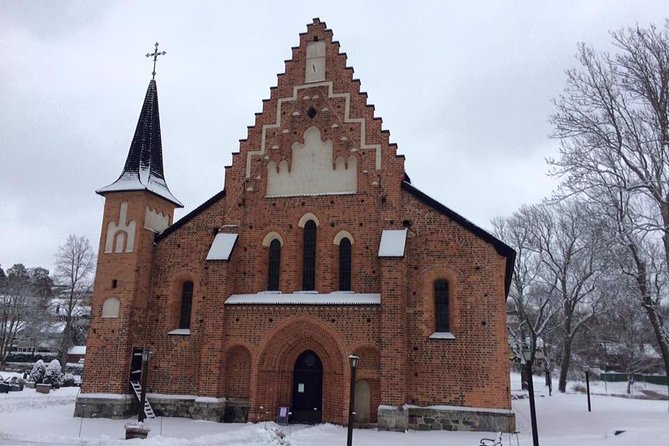
The final destination is Sigtuna, founded in AD 970 by King Erik Segersäll of the Svea Kingdom. It is described as Sweden’s oldest city, and its age gives the visit a different feel from the rural archaeological sites.
The town’s main street follows an origin dating to the Viking age, while the visible houses include pretty 18th-century buildings. That mix is part of Sigtuna’s appeal. You are not seeing a preserved Viking settlement untouched by time. You are seeing a living town whose street plan and story reach back to the early period.
The problem is the schedule. About 40 minutes is allocated to Sigtuna, and that includes a lunch stop at your own expense. Several people felt this was too short, especially after allowing time for lunch and visits connected with old churches. You may have time to get a quick meal and take a brief walk, but not to explore the town at a relaxed pace.
If Sigtuna is a major reason for your booking, consider the company’s full-day tour instead. The half-day outing gives you a useful introduction, but it treats Sigtuna as the final piece of a Viking history route, not as a full town visit.
The ride from Stockholm and the small-group advantage
Pickup normally begins around 9:00 or 9:30 in the morning, with 9:30 the usual time for shorter tours. The final hotel pickup time is sent one or two days beforehand, so do not plan a tight connection immediately after the advertised start.
A car or minivan carries the group, and the duration of each transfer can change with traffic. The ride to the first stop is about 30 minutes. That makes this a practical choice if you want to see sites outside Stockholm without renting a car or working out several regional connections.
The stated pickup zone needs careful checking. Hotel pickup is generally offered at central hotels and accommodations within about 3 km of Stockholm Central Station, although the headline information refers to 4 km. If you are staying in Gamla Stan, the vehicle may not be able to reach your exact address, and you may be asked to walk a few minutes to another pickup point.
Cruise pickup is available at Frihamnen, Värtahamnen, and Stadsgården, with detailed instructions based on the pier number. You will look for a guide holding an A4 sheet marked Viking Tours. Nynäshamn is not included because it is about 50 km from central Stockholm. If your ship docks there, you must arrange a meeting point in central Stockholm and reach it by train or cruise bus.
The vehicle is one of the tour’s practical strengths. The ride has been described as comfortable, with air conditioning in at least some vehicles. A small group also helps with timing. You can leave the vehicle quickly, hear the guide without strain, and ask for clarification.
The maximum group size is 25, so small is not guaranteed on every departure. The most intimate experiences have involved only two or four people. The tour requires at least three participants across all reservations, though the company has occasionally run a departure with fewer people.
What the guides add to the day
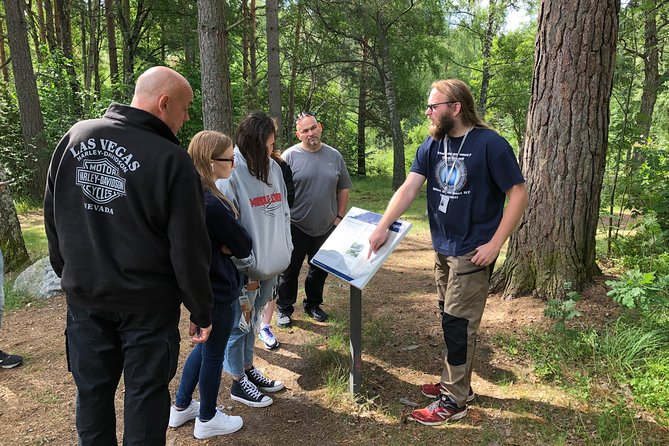
The guide is the heart of this experience. The sites are important, but many are simple outdoor locations without a large visitor center or extensive signs. You need someone who can make the stones, graves, and assembly ground understandable.
Calle has received repeated praise for being easygoing, helpful, and good at sharing Viking and Swedish history. Carl has been described as friendly, entertaining, and clear. Gabriel is noted for his passion, humor, and strong preparation, while Erik has been praised for his enthusiasm and command of the subject.
Emma has also been singled out for her local history background and willingness to answer questions. Olof and his daughter have been praised for their warm manner and detailed explanations. These names show the range of guides used by Sweden History Tours, but you will not necessarily receive a particular person.
The best guides do more than recite dates. They explain misconceptions about Vikings, connect the runestones to families, and make the sites relevant to Sweden’s later development. You should feel free to ask questions. That is one of the main benefits of booking a small group rather than a large coach tour.
At the same time, the experience is not perfectly uniform. One outing was described as disorganized after several small mishaps, including a misplaced phone in the tour vehicle. Another person disliked a guide’s political and social opinions. Those cases appear to be exceptions, but they are useful reminders that a personal guide-led tour has more variation than a recorded museum presentation.
Price, timing, and the value question
At $193.22 per person, this is not a budget sightseeing trip. The price covers a five to six-hour experience, hotel or port pickup and drop-off where offered, the vehicle, driver, live guide, taxes, and surcharges.
The value depends on how you would otherwise reach the sites. You are paying for transport across several locations, a guide who explains the evidence, and the convenience of returning to Stockholm without planning the route yourself. A private rental car might give you more freedom, but it would not provide the same interpretation unless you arranged a separate guide.
The half-day length is useful if your Stockholm schedule is tight. You can spend the morning and early afternoon outside the city, then return with time left for dinner or another city activity. The shorter schedule also keeps the day manageable for families and anyone who does not want a full-day excursion.
The limitation is that the tour covers a lot of ground quickly. Broby Bro, Jarlabanke, Arkils tingstad, and Sigtuna each deserve attention, yet the total outing lasts only five to six hours. You get a broad introduction rather than long, unhurried visits.
Lunch is extra, and there is no admission charge listed for the stops. That keeps the cost calculation fairly simple, but remember to budget for your own meal in Sigtuna.
Who should book this Viking tour?
I would choose this trip if you want to connect several Viking sites in one morning and prefer explanation over independent research. It suits first-time visitors to Stockholm who want to see more than Gamla Stan, as well as history-minded families and cruise passengers with a suitable port arrival.
It is also a good fit if you like small groups and outdoor stops. You should be comfortable with walking and changing locations several times. Children must be accompanied by an adult, and you should contact the company in advance if a booster or child seat is needed.
I would hesitate if Sigtuna is your main goal. Forty minutes, including lunch, is not enough for a leisurely town visit. The full-day option is the better choice for anyone who wants time for the old street, small square, churches, and more of the town.
The tour requires good weather. It can also be canceled if the minimum number of participants is not reached. You can cancel for a full refund up to 24 hours before the start, but late cancellations and changes are not accepted.
Should you book it?
Book this tour if you want an efficient, well-explained introduction to Viking Sweden outside Stockholm. The strongest reasons are the real archaeological sites, the comfortable transport, and the chance to learn from guides such as Calle, Carl, Gabriel, Erik, or Emma in a small setting.
Choose the full-day version instead if Sigtuna deserves serious time on your schedule. And if you dislike variations in guide style, keep your expectations practical: this is a personal, conversational excursion, not a polished museum lecture.
For most visitors with one free morning, the half-day route offers good historical value. Just wear sensible shoes, confirm your pickup point, and treat Sigtuna as a brief final stop rather than the main event.
FAQ
How long is the Viking history tour from Stockholm?
The experience lasts approximately five to six hours, including transportation between Stockholm, the Viking sites, Sigtuna, and the return journey.
What time does the tour start?
The usual start time for the shorter tour is around 9:30 am. Pickup can vary, and the final time is normally provided one or two days before the tour.
Is hotel pickup included?
Hotel pickup and drop-off are included for central hotels and accommodations within the stated pickup area. The detailed instructions specify locations within about 3 km of Stockholm Central Station. Guests staying in Gamla Stan may need to walk to a nearby vehicle-accessible location.
Can cruise passengers join the tour?
Yes. Cruise pickup is offered at Frihamnen, Värtahamnen, and Stadsgården. Pickup is not included at Nynäshamn, so passengers arriving there must reach a meeting point in central Stockholm.
Is lunch included?
No. The tour includes a lunch stop in Sigtuna, but lunch is at your own expense.
How many people can join the tour?
The maximum group size is 25 people. The company also states that at least three participants are normally required for the tour to operate.
Is the tour suitable for children?
Children can participate but must be accompanied by an adult. You should contact the company before the tour if a booster seat or child seat is needed.
What happens if the weather is poor?
The experience requires good weather. If the company cancels because of poor weather, you will be offered another date or a full refund.
Just added in Stockholm
- World War II Stockholm Old Town Walking Tour and Army Museum★ 4.6 · 4 reviews
- Wolf and Wildlife Tracking in Sweden★ 5.0 · 1 review
- Viking History Half-Day Tour from Stockholm★ 5.0 · 1 review
- Stockholm Old Town Walking Tour + Archipelago Cruise★ 5.0 · 1 review
- Wine tasting in Old Town Stockholm★ 5.0 · 1 review
- Wolf and Wildlife Tracking in Sweden★ 5.0 · 9 reviews
- Scandinavian Art, Architecture and Design Tour in Stockholm★ 4.5 · 11 reviews
- Voyage of the Vikings: Guided Exploration Through Sweden’s Past★ 5.0 · 2 reviews
Viking History Tours, compared.
Viking History, Runes & Countryside 9h Tour to Sigtuna & Uppsala
Read our review →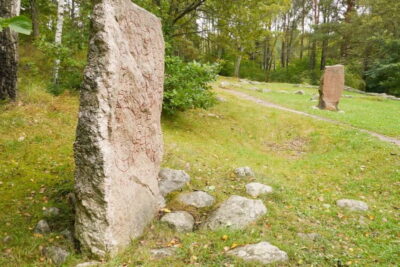
Stockholm Viking History Full Day Tour to Sigtuna + Uppsala
Read our review →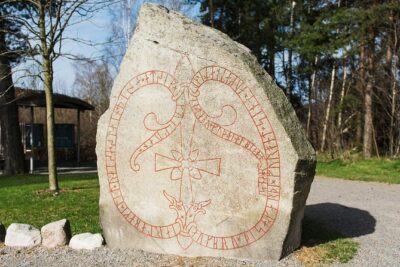
Viking History and Swedish Countryside Tour to Sigtuna & Uppsala
Read our review →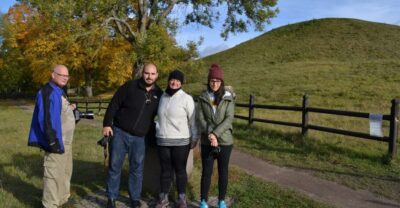

Full Day Viking Tour with Fika Swedish Coffee Break
Read our review →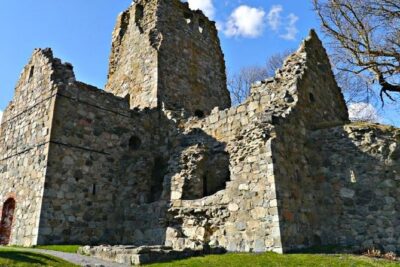
Private Full Day Viking History Tour from Stockholm Including Sigtuna and Uppsala
Read our review →Browse the lists this tour appears in